





January 31st, 2025 | by Matthew Kadey
Matthew Kadey is a nutrition journalist and dietitian who lives in Waterloo, Ontario, Canada. He has also developed several bikepacking routes, including the Great Northern Bikepacking Route. Today, he shares a few camping meals that are easy to prep ahead of time and make easily while traveling by bike.
Matthew has shared delicious DIY sports drink recipes and homemade energy snack recipes that you all loved! Read even more from Matthew here: matthewkadey.com.
Matthew Kadey is a nutrition journalist and dietitian who lives in Waterloo, Ontario, Canada. He has also developed several bikepacking routes, including the Great Northern Bikepacking Route. Today, he shares a few camping meals that are easy to prep ahead of time and make easily while traveling by bike.
Matthew has shared delicious DIY sports drink recipes and homemade energy snack recipes that you all loved! Read even more from Matthew here: matthewkadey.com.
I’ve come to realize that eating is just as essential to bikepacking as the pedaling itself. The miles build a serious appetite, and—call me strange—but dreaming up tasty, nourishing camp meals feels like half the adventure. There’s something undeniably underwhelming about pouring hot water into a bag of freeze‑dried beef stroganoff when you could be cooking something genuinely satisfying in the wild. A good camp meal can lift your spirits in a way few other things can after a long day on the trail.
The trouble is, a lot of camping recipes simply don’t work for weight‑conscious bikepackers (honestly, who is making lasagna in the backcountry?). And plenty of people aren’t sure what kinds of meals actually fuel big daily efforts. Pro tip: gas‑station hot dogs are not the answer.
The secret to great bikepacking food is choosing smart, quick‑cooking (or no‑cook!) ingredients, keeping everything compact, embracing one‑pot meals, and carrying the right cooking gear. And of course, your meals need enough calories to keep you moving. Instant oatmeal for breakfast and a brick of mystery‑flavored ramen for dinner won’t cut it—nutritionally or emotionally. Food is a huge part of my bikepacking life, and I’ve learned that delicious doesn’t have to mean complicated.
If you’re unsure what to cook while bikepacking, backpacking, or even paddling open water, start with these simple breakfast and dinner ideas and leave the can of SpaghettiOs at home. You won’t go hungry.
I’ve come to realize that eating is just as essential to bikepacking as the pedaling itself. The miles build a serious appetite, and—call me strange—but dreaming up tasty, nourishing camp meals feels like half the adventure. There’s something undeniably underwhelming about pouring hot water into a bag of freeze‑dried beef stroganoff when you could be cooking something genuinely satisfying in the wild. A good camp meal can lift your spirits in a way few other things can after a long day on the trail.
The trouble is, a lot of camping recipes simply don’t work for weight‑conscious bikepackers (honestly, who is making lasagna in the backcountry?). And plenty of people aren’t sure what kinds of meals actually fuel big daily efforts. Pro tip: gas‑station hot dogs are not the answer.
The secret to great bikepacking food is choosing smart, quick‑cooking (or no‑cook!) ingredients, keeping everything compact, embracing one‑pot meals, and carrying the right cooking gear. And of course, your meals need enough calories to keep you moving. Instant oatmeal for breakfast and a brick of mystery‑flavored ramen for dinner won’t cut it—nutritionally or emotionally. Food is a huge part of my bikepacking life, and I’ve learned that delicious doesn’t have to mean complicated.
If you’re unsure what to cook while bikepacking, backpacking, or even paddling open water, start with these simple breakfast and dinner ideas and leave the can of SpaghettiOs at home. You won’t go hungry.


Sometimes you need heartier meals than pancakes or easier meals than open-flame shakshuka. Matthew Kadey shares easy and healthy camping recipes today on Quench'd. Plus some tool recommendations.
Sometimes you need heartier meals than pancakes or easier meals than open-flame shakshuka. Matthew Kadey shares easy and healthy camping recipes today on Quench'd. Plus some tool recommendations.
Tools of the Trade
Life’s too short to settle for compromised camp cooking gear. Here’s what I pack into my panniers to make mealtime in the outdoors a breeze. Don’t forget the sporks.
For meal prep while on two-wheel adventures, I toss all my trust in the MSR PocketRocket Deluxe Stove (https://cascadedesigns.com/products/pocketrocket-deluxe-stove). Crazy lightweight, easy to ignite, and small to pack, it always gets the job done.
When cooking for two, I then pair this hero stove with the Sea to Summit Frontier Ultralight Pot (https://seatosummit.com/products/frontier-ultralight-pot). It’s big enough to be able to prepare two servings of most camp meals, as well as being amazingly light and seemingly bombproof.
Then you can’t go wrong with their sturdy Frontier Collapsible Bowl (https://seatosummit.com/products/frontier-collapsible-bowl) when you don’t want two people trying to scoop up a pile of noodles from the same cook pot.
When I’m out for solo adventures, I have found the MSR Windburner Personal Stove System (https://cascadedesigns.com/products/windburner-personal-stove-system) to be a worthy companion. Nothing is awkwardly sized, it boils water in a flash, performance won’t suffer when the wind is howling (that translates into a big fuel savings and faster meals), and I’ll simply eat my meal from the same pot I cooked it in. After all, following a hard day of riding dirt I’ve got little patience to struggle with my cooking set-up or even entertain the idea of cooking over open fire.
Recipe Note: The following recipes make enough for 2 servings. If going at it alone, divide the ingredients among 2 zip-top bags and prepare contents of bags individually.
Tools of the Trade
Life’s too short to settle for compromised camp cooking gear. Here’s what I pack into my panniers to make mealtime in the outdoors a breeze. Don’t forget the sporks.
For meal prep while on two-wheel adventures, I toss all my trust in the MSR PocketRocket Deluxe Stove (https://cascadedesigns.com/products/pocketrocket-deluxe-stove). Crazy lightweight, easy to ignite, and small to pack, it always gets the job done.
When cooking for two, I then pair this hero stove with the Sea to Summit Frontier Ultralight Pot (https://seatosummit.com/products/frontier-ultralight-pot). It’s big enough to be able to prepare two servings of most camp meals, as well as being amazingly light and seemingly bombproof.
Then you can’t go wrong with their sturdy Frontier Collapsible Bowl (https://seatosummit.com/products/frontier-collapsible-bowl) when you don’t want two people trying to scoop up a pile of noodles from the same cook pot.
When I’m out for solo adventures, I have found the MSR Windburner Personal Stove System (https://cascadedesigns.com/products/windburner-personal-stove-system) to be a worthy companion. Nothing is awkwardly sized, it boils water in a flash, performance won’t suffer when the wind is howling (that translates into a big fuel savings and faster meals), and I’ll simply eat my meal from the same pot I cooked it in. After all, following a hard day of riding dirt I’ve got little patience to struggle with my cooking set-up or even entertain the idea of cooking over open fire.
Recipe Note: The following recipes make enough for 2 servings. If going at it alone, divide the ingredients among 2 zip-top bags and prepare contents of bags individually.
No big day in the saddle—or a long wander through the woods—should begin on an empty stomach. Luckily, you don’t have to settle for those underwhelming instant oatmeal packets or a sad handful of GORP to get moving. Pack this quick‑cooking, flavorful alternative to mushy oats and you’ll start your morning with something hearty enough to actually power you up.
Ingredient Spotlight: Couscous is a camp‑kitchen MVP. It’s versatile, packed with energizing carbs, and made from tiny semolina pasta pearls that cook in minutes. All it needs is a soak in boiled water, which saves both time and precious stove fuel. I use it often as the base for savory dinners too—it’s one of those ingredients that earns its spot in the feed bag.
1 cup couscous
1/3 cup powdered milk (for dairy-free use soymilk powder)
1/2 cup sliced dried apricot
1/3 cup sliced almonds
1/4 cup ground flaxseed
2 tablespoons brown sugar
1 teaspoon cinnamon
1/2 teaspoon ginger powder
1/4 teaspoon salt
At Home: Place couscous, milk powder, almonds, flax, brown sugar, cinnamon, ginger powder, and salt in a zip-top bag.
At Camp: Bring 2 cups water to a boil in a camp pot. Add couscous mixture, cover pot and let sit 5 to 10 minutes. Stir up everything before eating.
For single servings, use 1 cup of boiled water for half of the couscous mixture.
No big day in the saddle—or a long wander through the woods—should begin on an empty stomach. Luckily, you don’t have to settle for those underwhelming instant oatmeal packets or a sad handful of GORP to get moving. Pack this quick‑cooking, flavorful alternative to mushy oats and you’ll start your morning with something hearty enough to actually power you up.
Ingredient Spotlight: Couscous is a camp‑kitchen MVP. It’s versatile, packed with energizing carbs, and made from tiny semolina pasta pearls that cook in minutes. All it needs is a soak in boiled water, which saves both time and precious stove fuel. I use it often as the base for savory dinners too—it’s one of those ingredients that earns its spot in the feed bag.
1 cup couscous
1/3 cup powdered milk (for dairy-free use soymilk powder)
1/2 cup sliced dried apricot
1/3 cup sliced almonds
1/4 cup ground flaxseed
2 tablespoons brown sugar
1 teaspoon cinnamon
1/2 teaspoon ginger powder
1/4 teaspoon salt
At Home: Place couscous, milk powder, almonds, flax, brown sugar, cinnamon, ginger powder, and salt in a zip-top bag.
At Camp: Bring 2 cups water to a boil in a camp pot. Add couscous mixture, cover pot and let sit 5 to 10 minutes. Stir up everything before eating.
For single servings, use 1 cup of boiled water for half of the couscous mixture.


Here’s an easy way to level up basic camp ramen. This curry‑infused noodle soup is packed with flavor, helps replenish your energy, and gives you a hydration boost at the same time. If you happen to roll past a farm stand or grocery store, grab a few fresh veggies to toss in—bell pepper, spinach, slaw mix, diced carrot, radish, whatever looks good. And don’t skip the lime; a quick squeeze adds a bright hit of acidity that takes the whole dish up a notch.
Ingredient Spotlight: Lightweight pouches of wild salmon are widely available and perfect for adding recovery‑friendly protein to your meal. If you prefer a plant‑based option, swap in cubes of shelf‑stable smoked tofu instead.
1 bouillon cube
1 tablespoon sesame seeds
1 1/2 teaspoons curry powder
1/2 teaspoon garlic powder
1/2 teaspoon ginger powder
1/4 teaspoon cayenne powder
2 packets ramen noodles
2 pouches of salmon
At Home: In a small bowl, crush the bouillon cube. Mix in sesame seeds, curry powder, garlic powder, ginger powder, and cayenne powder. Place the mixture in a small zip-top bag or other small portable food container. Pack ramen and salmon separately.
At Camp: Bring 3 to 4 cups water to a boil in a camp pot. Add the spice mixture, stir to dissolve and then place the packets of ramen noodles (discard the seasoning packet they come with) in the pot. Heat noodles for 1 minute over a low heat, turn off heat, and then let noodles soak for a couple of minutes. Stir in salmon.
For a single serving, use 2 to 2 1/2 cups of boiled water for a single ramen packet.
Here’s an easy way to level up basic camp ramen. This curry‑infused noodle soup is packed with flavor, helps replenish your energy, and gives you a hydration boost at the same time. If you happen to roll past a farm stand or grocery store, grab a few fresh veggies to toss in—bell pepper, spinach, slaw mix, diced carrot, radish, whatever looks good. And don’t skip the lime; a quick squeeze adds a bright hit of acidity that takes the whole dish up a notch.
Ingredient Spotlight: Lightweight pouches of wild salmon are widely available and perfect for adding recovery‑friendly protein to your meal. If you prefer a plant‑based option, swap in cubes of shelf‑stable smoked tofu instead.
1 bouillon cube
1 tablespoon sesame seeds
1 1/2 teaspoons curry powder
1/2 teaspoon garlic powder
1/2 teaspoon ginger powder
1/4 teaspoon cayenne powder
2 packets ramen noodles
2 pouches of salmon
At Home: In a small bowl, crush the bouillon cube. Mix in sesame seeds, curry powder, garlic powder, ginger powder, and cayenne powder. Place the mixture in a small zip-top bag or other small portable food container. Pack ramen and salmon separately.
At Camp: Bring 3 to 4 cups water to a boil in a camp pot. Add the spice mixture, stir to dissolve and then place the packets of ramen noodles (discard the seasoning packet they come with) in the pot. Heat noodles for 1 minute over a low heat, turn off heat, and then let noodles soak for a couple of minutes. Stir in salmon.
For a single serving, use 2 to 2 1/2 cups of boiled water for a single ramen packet.
I know I’m not the only one who starts fantasizing about pizza the moment a big day in the saddle wraps up. Sadly, the local delivery guy tends to draw the line at “remote forest clearing, look for the tent by the big rock.” So this meal steps in as the next best thing. This meal captures all the cozy, familiar pizza vibes—just without the pepperoni or actual cheese. It’s a delicious plant‑based way to refuel your adventure, even if you usually lean toward the carnivore side of things.
Ingredient Spotlight: Textured vegetable protein (TVP) is produced from defatted and dried soybeans. It’s a boon to bikepackers as it provides a shelf-stable and rather flavorless source of protein with a meaty texture. As a bonus, a quarter cup serving has about 13 grams of protein.
Instant rice is white rice that is partly precooked (parboiled) and then dehydrated and packed in a dried form similar in appearance to that of regular white rice. Minute Rice is the most popular brand. Despite the cooking instructions saying to simmer the rice for a few minutes, it cooks (softens) adequately by adding the grains to boiled water and then letting them soak for a few minutes. Easy carbs to restock your energy reserves.
Nutritional yeast is a deactivated form of the microorganism Saccharomyces cerevisiae with no leavening powers (please, don’t try to make a loaf of sourdough with it) that is produced by culturing this strain of yeast on a sugar-rich medium, like molasses, for several days. The distinctive cheesy flavor profile of ‘nooch can largely be attributed to its abundance of naturally-occurring glutamate, an amino acid that interacts with specific taste cells in the tongue to unleash an umami wave of flavor. This makes the yellow flakes a good option for infusing lightweight cheese-like flavor into a range of camp meals without the worry of hauling around real cheese in a hot bike bag for a number of days.
1 cup instant white rice
1 cup textured vegetable protein
1 teaspoon dried oregano or dried Italian seasoning
1/2 teaspoon red pepper flakes
3 tablespoons nutritional yeast
1/3 cup finely chopped dry-packed sun-dried tomatoes
At Home: In a bowl, toss together all of the ingredients. Place in a zip-top bag.
At Camp: Bring 2 cups water to a boil in a camp pot. Add rice mixture, stir, cover, and remove from heat. Let stand for 10 minutes and then fluff mixture with fork.
For a single serving, use 1 cup boiled water for half of the rice mixture.
I know I’m not the only one who starts fantasizing about pizza the moment a big day in the saddle wraps up. Sadly, the local delivery guy tends to draw the line at “remote forest clearing, look for the tent by the big rock.” So this meal steps in as the next best thing. This meal captures all the cozy, familiar pizza vibes—just without the pepperoni or actual cheese. It’s a delicious plant‑based way to refuel your adventure, even if you usually lean toward the carnivore side of things.
Ingredient Spotlight: Textured vegetable protein (TVP) is produced from defatted and dried soybeans. It’s a boon to bikepackers as it provides a shelf-stable and rather flavorless source of protein with a meaty texture. As a bonus, a quarter cup serving has about 13 grams of protein.
Instant rice is white rice that is partly precooked (parboiled) and then dehydrated and packed in a dried form similar in appearance to that of regular white rice. Minute Rice is the most popular brand. Despite the cooking instructions saying to simmer the rice for a few minutes, it cooks (softens) adequately by adding the grains to boiled water and then letting them soak for a few minutes. Easy carbs to restock your energy reserves.
Nutritional yeast is a deactivated form of the microorganism Saccharomyces cerevisiae with no leavening powers (please, don’t try to make a loaf of sourdough with it) that is produced by culturing this strain of yeast on a sugar-rich medium, like molasses, for several days. The distinctive cheesy flavor profile of ‘nooch can largely be attributed to its abundance of naturally-occurring glutamate, an amino acid that interacts with specific taste cells in the tongue to unleash an umami wave of flavor. This makes the yellow flakes a good option for infusing lightweight cheese-like flavor into a range of camp meals without the worry of hauling around real cheese in a hot bike bag for a number of days.
1 cup instant white rice
1 cup textured vegetable protein
1 teaspoon dried oregano or dried Italian seasoning
1/2 teaspoon red pepper flakes
3 tablespoons nutritional yeast
1/3 cup finely chopped dry-packed sun-dried tomatoes
At Home: In a bowl, toss together all of the ingredients. Place in a zip-top bag.
At Camp: Bring 2 cups water to a boil in a camp pot. Add rice mixture, stir, cover, and remove from heat. Let stand for 10 minutes and then fluff mixture with fork.
For a single serving, use 1 cup boiled water for half of the rice mixture.


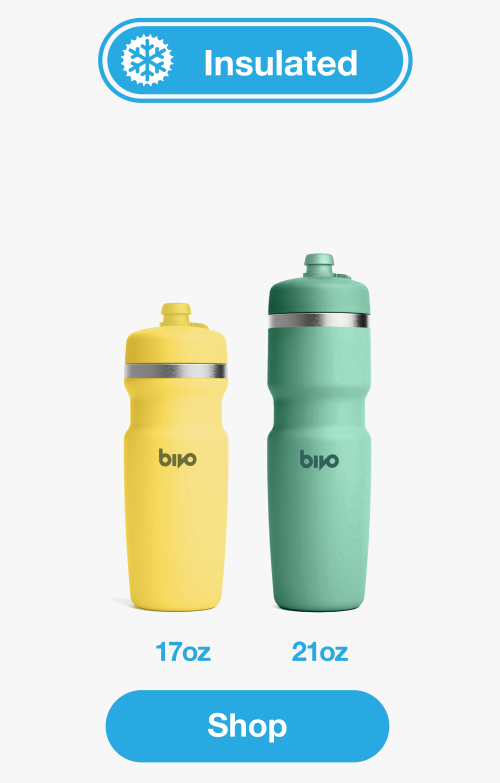
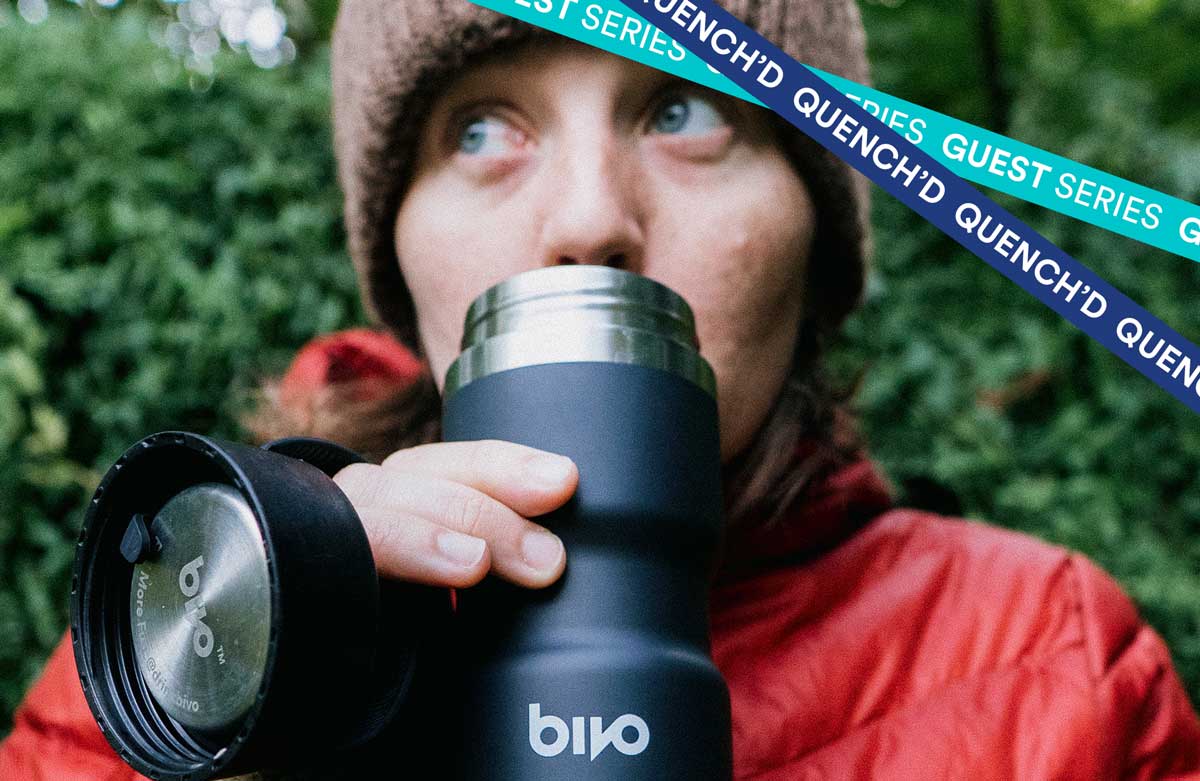
What better way to cap off a great day of adventuring in the wilds than with this hot chocolate that also happens to confer recovery benefits. If you are dairy intolerant or fully plant-based, you can now find dairy-free milk powders. This drink alone is reason enough for me to bring along a Bivo insulated bottle, as I’ll use this to keep warm drinks like this nice and toasty.
1/4 cup cocoa powder
1/4 cup chocolate or vanilla protein powder
3 tablespoons milk powder
2 tablespoons brown sugar
1/2 teaspoon cinnamon
1/8 teaspoon cayenne
1/8 teaspoon salt
Home: Place all of the ingredients in a large bowl and mix well. Divide among 2 zip-top bags for transport.
Camp: To make a hot chocolate, place the contents of a bag in a mug or a bivo insulated bottle. Add about 1 cup boiled water and stir well until most of the clumps are gone.
What better way to cap off a great day of adventuring in the wilds than with this hot chocolate that also happens to confer recovery benefits. If you are dairy intolerant or fully plant-based, you can now find dairy-free milk powders. This drink alone is reason enough for me to bring along a Bivo insulated bottle, as I’ll use this to keep warm drinks like this nice and toasty.
1/4 cup cocoa powder
1/4 cup chocolate or vanilla protein powder
3 tablespoons milk powder
2 tablespoons brown sugar
1/2 teaspoon cinnamon
1/8 teaspoon cayenne
1/8 teaspoon salt
Home: Place all of the ingredients in a large bowl and mix well. Divide among 2 zip-top bags for transport.
Camp: To make a hot chocolate, place the contents of a bag in a mug or a bivo insulated bottle. Add about 1 cup boiled water and stir well until most of the clumps are gone.





Leave a comment (all fields required)