





February 21st, 2026 | by Alex Kozlowski
Alex Kozlowski is a content creator and triathlete currently working toward earning her professional triathlon license. What started as a way to challenge herself and reconnect with sport has turned into a deep passion for racing, pushing limits, and discovering what she's capable of when things get uncomfortable.
Today's story is about how bikes have always been a part of Alex's life, before triathlons became her creative outlet and her proving ground.
Alex Kozlowski is a content creator and triathlete currently working toward earning her professional triathlon license. What started as a way to challenge herself and reconnect with sport has turned into a deep passion for racing, pushing limits, and discovering what she's capable of when things get uncomfortable.
Today's story is about how bikes have always been a part of Alex's life, before triathlons became her creative outlet and her proving ground.
I was born in Arizona, and my dad was always on his mountain bike. He raced often, which meant weekends were usually spent loading bikes into the car and camping somewhere near a trail. Those weekends are some of my clearest early memories. It never felt like “watching a race.” It felt like being part of something. Sharing meals at camp, hearing race stories, sensing the quiet excitement in the mornings before a start. Even as a kid, I understood that racing wasn’t just about performance; it was about commitment, community, and showing up again and again.
When we moved to Taiwan, that rhythm stayed the same. New country, new language, new culture. But the bike came with us. My dad kept riding, and bikes stayed a constant in our lives. Looking back now, that consistency mattered more than I realized at the time. In a place where almost everything else felt unfamiliar, the bike was familiar. It was grounding.
I’ve been on a bike for as long as I can remember. I had this perfect little purple bike with training wheels, and I absolutely lost it when my parents tried to replace it with a bigger one that didn’t have them. Although I wasn’t ready to grow up yet, I adjusted. By the time we were living in Taiwan, I got my first “real” bike when I was eleven, and suddenly bikes became how we got everywhere. Through city streets, to soccer practice, to meetingmeet friends. It wasn’t training. It was freedom. It was independence.
I was born in Arizona, and my dad was always on his mountain bike. He raced often, which meant weekends were usually spent loading bikes into the car and camping somewhere near a trail. Those weekends are some of my clearest early memories. It never felt like “watching a race.” It felt like being part of something. Sharing meals at camp, hearing race stories, sensing the quiet excitement in the mornings before a start. Even as a kid, I understood that racing wasn’t just about performance; it was about commitment, community, and showing up again and again.
When we moved to Taiwan, that rhythm stayed the same. New country, new language, new culture. But the bike came with us. My dad kept riding, and bikes stayed a constant in our lives. Looking back now, that consistency mattered more than I realized at the time. In a place where almost everything else felt unfamiliar, the bike was familiar. It was grounding.
I’ve been on a bike for as long as I can remember. I had this perfect little purple bike with training wheels, and I absolutely lost it when my parents tried to replace it with a bigger one that didn’t have them. Although I wasn’t ready to grow up yet, I adjusted. By the time we were living in Taiwan, I got my first “real” bike when I was eleven, and suddenly bikes became how we got everywhere. Through city streets, to soccer practice, to meetingmeet friends. It wasn’t training. It was freedom. It was independence.
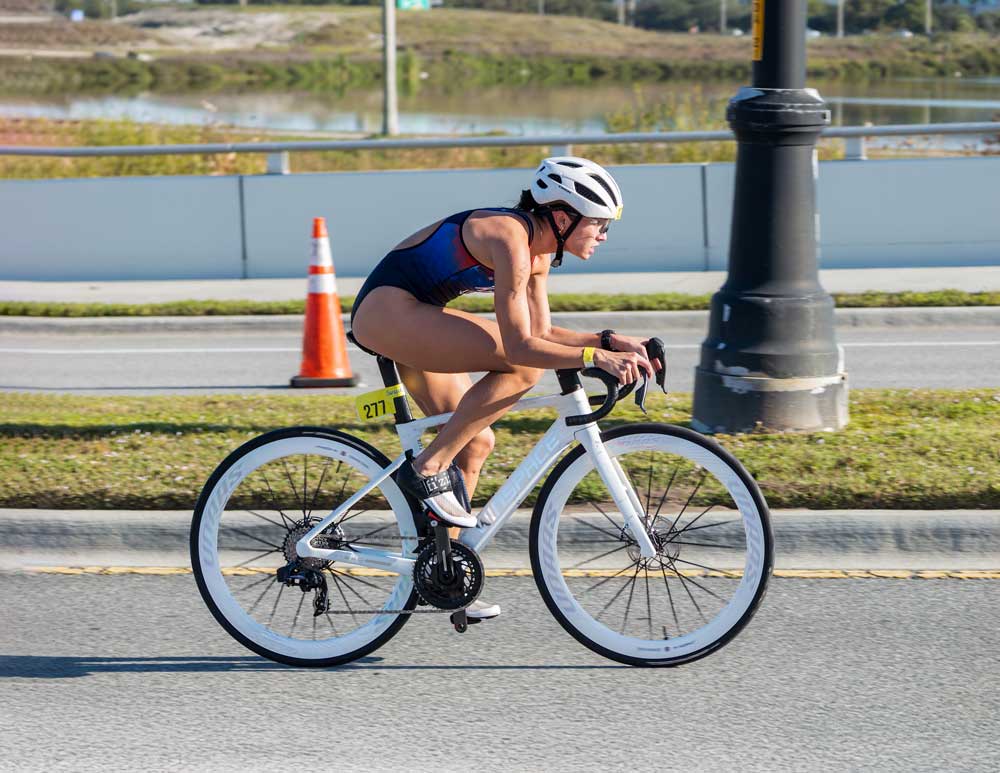
In college, things shifted. I was running Division I track, and injuries became part of my reality. There were long stretches where running, the thing I loved and identified with, was taken away. When I couldn’t run, I cross-trained. A lot. And most of that cross-training was on the bike.
Some of those rides were with my dad. No expectations. No pressure. Just riding and talking. The bike became the place where I could still feel like an athlete without needing to prove anything. It was where I processed frustration, disappointment, and uncertainty. Without realizing it, cycling quietly taught me patience. It reminded me that movement could still be joyful.
On my first birthday with my husband, he bought me my first gravel bike. At the time, it didn’t feel symbolic, just thoughtful. However, that bike changed everything. We started riding together, going longer, exploring more, getting curious about what else was possible. Somewhere in that curiosity, I signed up for my first triathlon.
That first race was chaos.
In college, things shifted. I was running Division I track, and injuries became part of my reality. There were long stretches where running, the thing I loved and identified with, was taken away. When I couldn’t run, I cross-trained. A lot. And most of that cross-training was on the bike.
Some of those rides were with my dad. No expectations. No pressure. Just riding and talking. The bike became the place where I could still feel like an athlete without needing to prove anything. It was where I processed frustration, disappointment, and uncertainty. Without realizing it, cycling quietly taught me patience. It reminded me that movement could still be joyful.
On my first birthday with my husband, he bought me my first gravel bike. At the time, it didn’t feel symbolic, just thoughtful. However, that bike changed everything. We started riding together, going longer, exploring more, getting curious about what else was possible. Somewhere in that curiosity, I signed up for my first triathlon.
That first race was chaos.
I was extremely nervous going into it. I hadn’t raced in a long time, and whenever I’m nervous, I cope the same way. I find people to talk to. I chatted with others in my heat, trying to calm myself before the start.
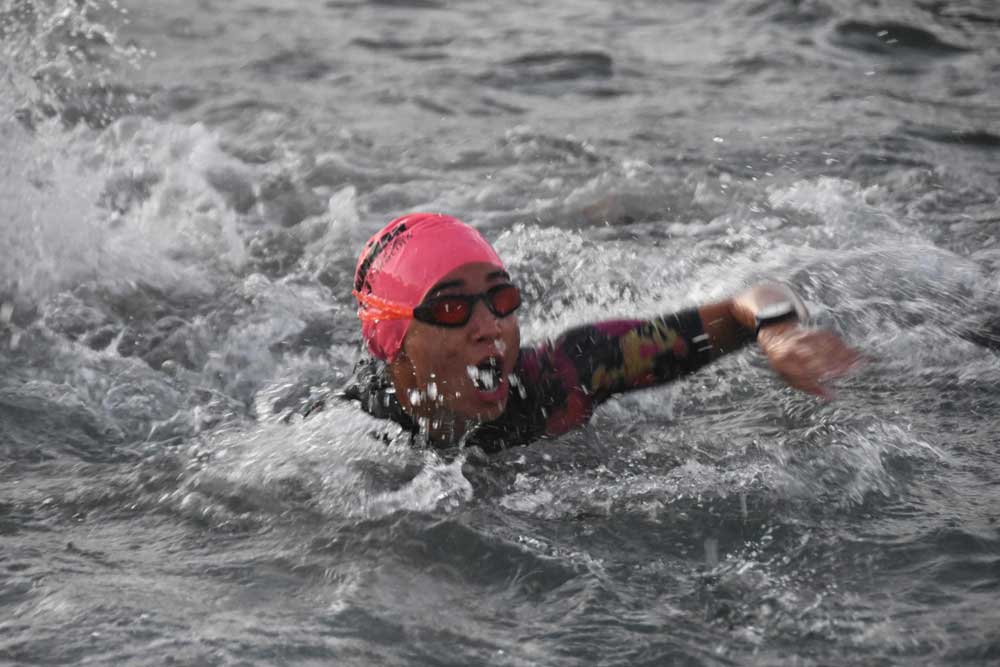
The swim was really hard. I tried to front crawl as long as I could, but I couldn’t breathe. My goggles kept fogging up, panic set in, and I flipped onto my back to calm myself down. I started doing backstroke, crying and swallowing what felt like half the lake. A rescue kayaker came up next to me and asked if I wanted them to pull me out. I told them no, and kept going.
When I finally saw the swim exit, I was overcome with relief. I couldn’t wait to get out of the water. In that moment, I knew if I could finish the swim, I could finish the race, and that was all I needed. The bike felt good. There were more hills than I expected, but they felt manageable, and since my heat started last, I had plenty of people to chase.
Then came the run, my favorite part. I was excited to finally be in the discipline I felt confident in. Even though I was surprised to find the course was on trails, I pushed all the way to the finish.
That day, my motivation was simple: don’t quit.
And strangely, that was enough to hook me.
I was extremely nervous going into it. I hadn’t raced in a long time, and whenever I’m nervous, I cope the same way. I find people to talk to. I chatted with others in my heat, trying to calm myself before the start.
The swim was really hard. I tried to front crawl as long as I could, but I couldn’t breathe. My goggles kept fogging up, panic set in, and I flipped onto my back to calm myself down. I started doing backstroke, crying and swallowing what felt like half the lake. A rescue kayaker came up next to me and asked if I wanted them to pull me out. I told them no, and kept going.
When I finally saw the swim exit, I was overcome with relief. I couldn’t wait to get out of the water. In that moment, I knew if I could finish the swim, I could finish the race, and that was all I needed. The bike felt good. There were more hills than I expected, but they felt manageable, and since my heat started last, I had plenty of people to chase.
Then came the run, my favorite part. I was excited to finally be in the discipline I felt confident in. Even though I was surprised to find the course was on trails, I pushed all the way to the finish.
That day, my motivation was simple: don’t quit.
And strangely, that was enough to hook me.

What motivated me early on wasn’t podiums or results, it was curiosity. I wanted a redo, to race without panic and see what I was capable of when I stayed in it. This curiosity turned into momentum, and momentum turned into belief.
Things escalated quickly. I qualified for Nationals in my first season and later earned a spot at the World Triathlon Age Group Championships. Each race felt less like survival and more like expression. I learned how to suffer with intention, how to stay composed, and how to actually race.
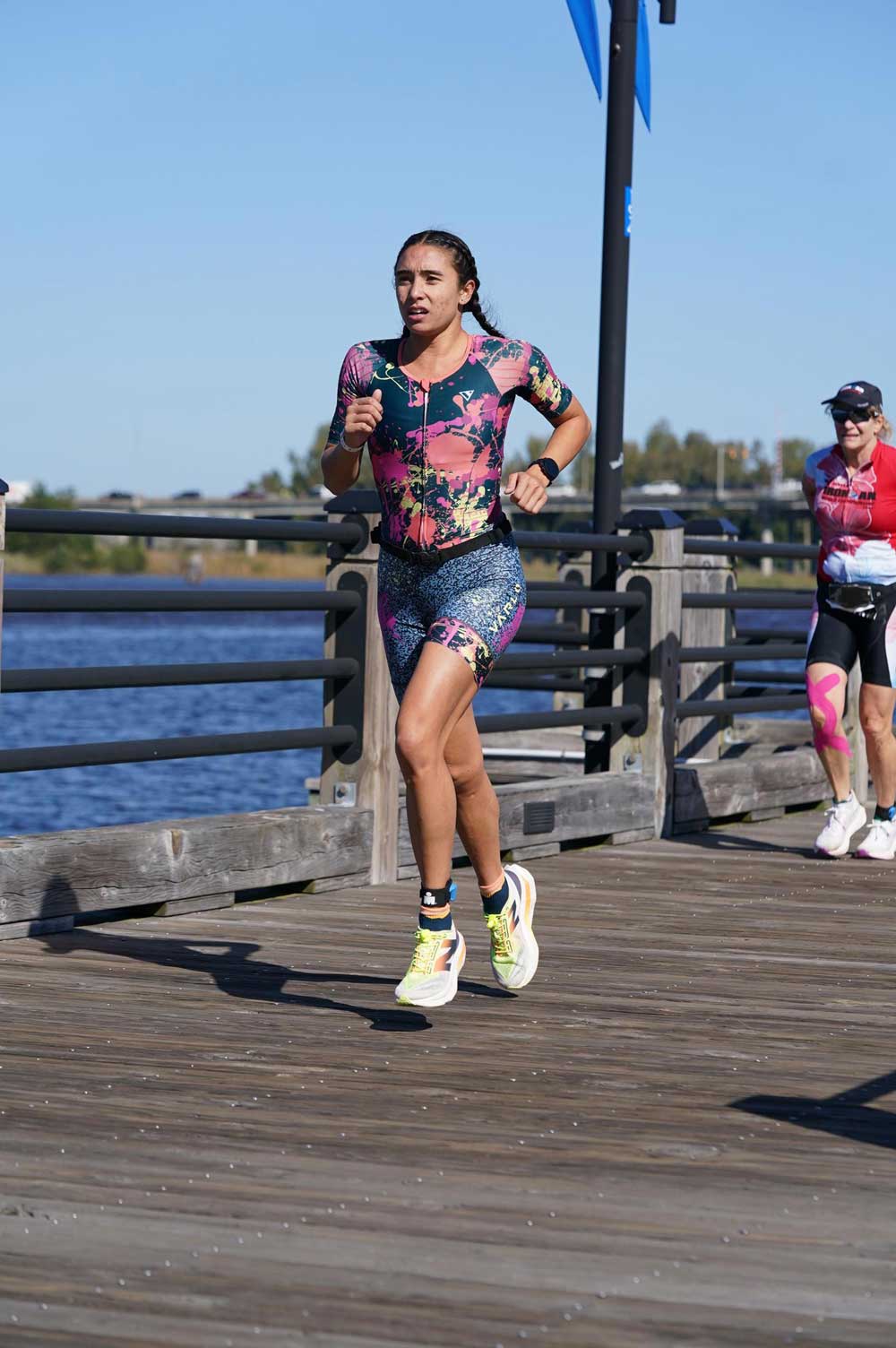
After just two sprints, I signed up for my first 70.3 Ironman in Wilmington.
I trained much more for this race, including joining an open-water swim group and gradually building distance until I could complete the full swim. Race day still delivered surprises. The water was far choppier than I expected, though the strong downstream current helped. Coming out of the water, I was freezing and couldn’t feel my body. In transition, my hands were so cold I couldn’t get one glove on, so I rode most of the bike with one frozen hand.
The bike was brutal. Cold, windy, and relentless. For most of those miles, I seriously debated quitting. But I never gave in. I just kept pedaling.
Reaching T2 felt like a victory. It took nearly two miles on the run before I could feel my toes again. The first half felt strong, but at the turnaround, I tripped and lost my rhythm. Quitting crossed my mind again, but I kept going.
When I realized I was going to finish, everything hit me at once. The last quarter mile, I burst into tears. I collapsed into a volunteer’s arms at the finish line, overwhelmed by the fact that I had endured and finished my first 70.3.
What motivated me early on wasn’t podiums or results, it was curiosity. I wanted a redo, to race without panic and see what I was capable of when I stayed in it. This curiosity turned into momentum, and momentum turned into belief.
Things escalated quickly. I qualified for Nationals in my first season and later earned a spot at the World Triathlon Age Group Championships. Each race felt less like survival and more like expression. I learned how to suffer with intention, how to stay composed, and how to actually race.
After just two sprints, I signed up for my first 70.3 Ironman in Wilmington.
I trained much more for this race, including joining an open-water swim group and gradually building distance until I could complete the full swim. Race day still delivered surprises. The water was far choppier than I expected, though the strong downstream current helped. Coming out of the water, I was freezing and couldn’t feel my body. In transition, my hands were so cold I couldn’t get one glove on, so I rode most of the bike with one frozen hand.
The bike was brutal. Cold, windy, and relentless. For most of those miles, I seriously debated quitting. But I never gave in. I just kept pedaling.
Reaching T2 felt like a victory. It took nearly two miles on the run before I could feel my toes again. The first half felt strong, but at the turnaround, I tripped and lost my rhythm. Quitting crossed my mind again, but I kept going.
When I realized I was going to finish, everything hit me at once. The last quarter mile, I burst into tears. I collapsed into a volunteer’s arms at the finish line, overwhelmed by the fact that I had endured and finished my first 70.3.
That race shifted my motivation. I wasn’t just curious anymore. I was committed.
At Eagleman 70.3, I arrived more prepared, though dealing with hip pain. The first part of the bike was some of the best riding I’ve ever done. When my hip flared up, I backed off but kept moving forward. The run was tough, with pain and a few unexpected stops, but finishing the race brought the same overwhelming joy as my first 70.3. Pure gratitude that I made it across the line.
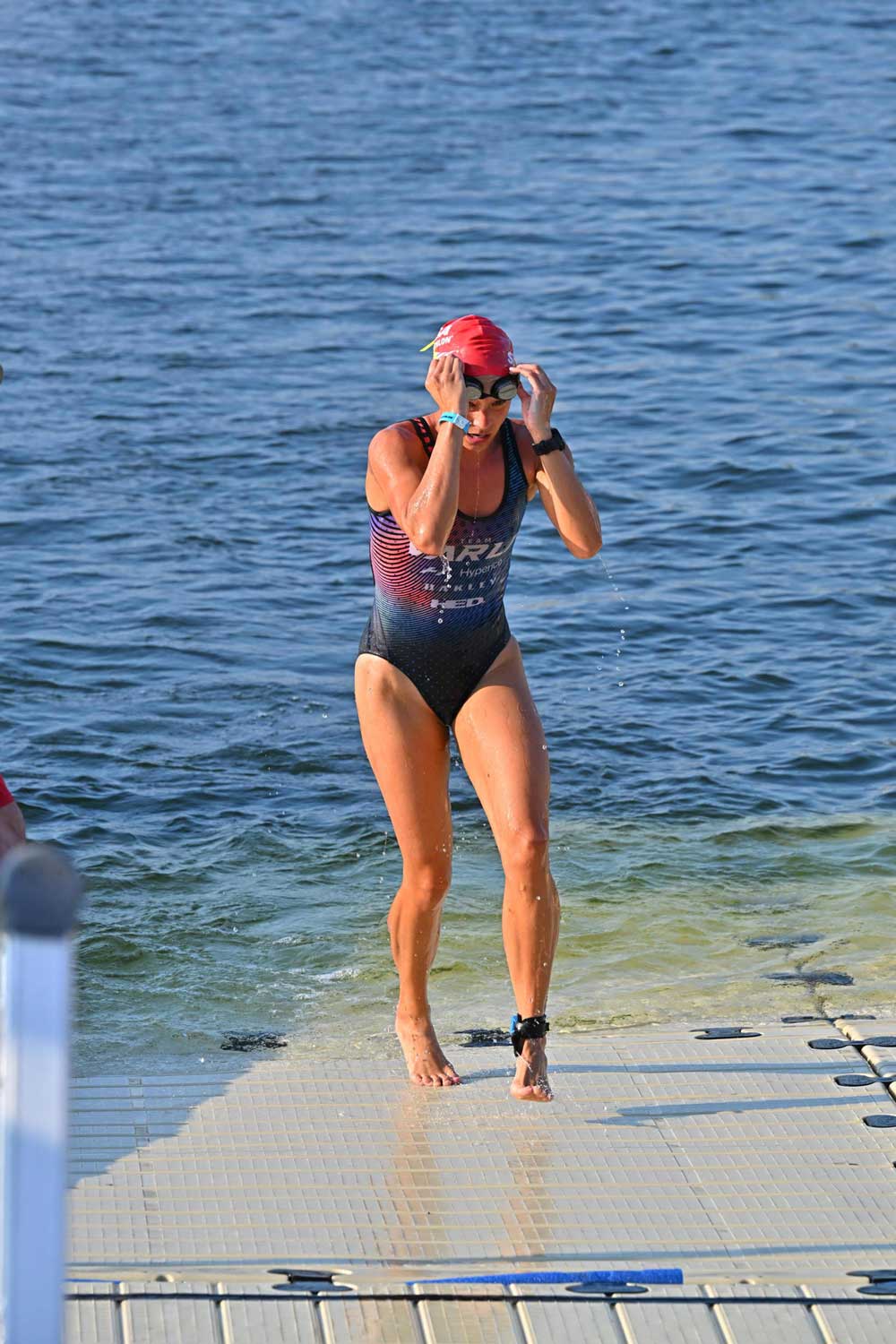
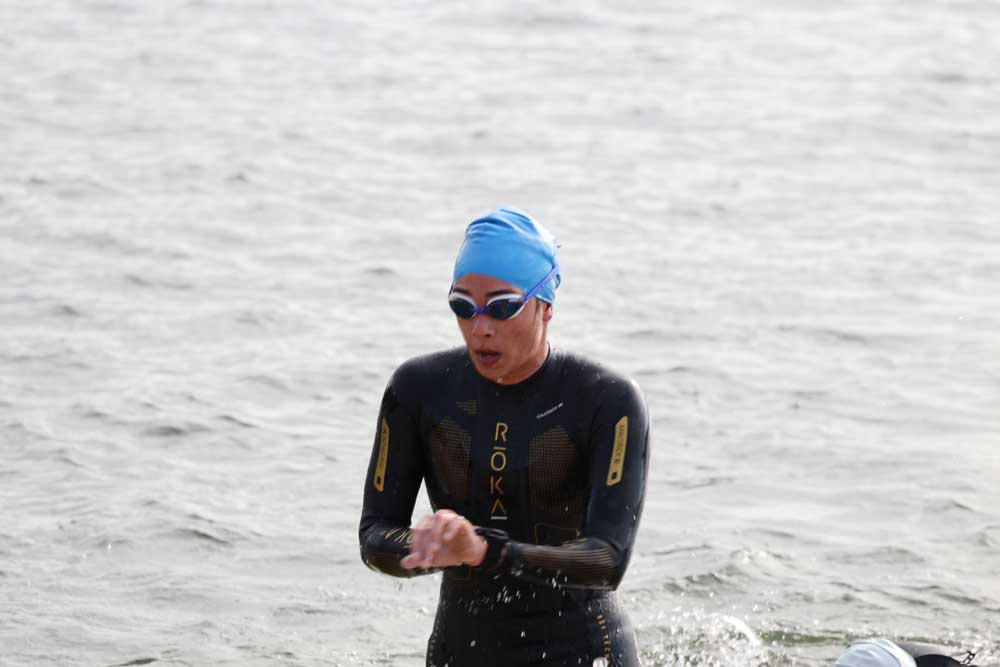
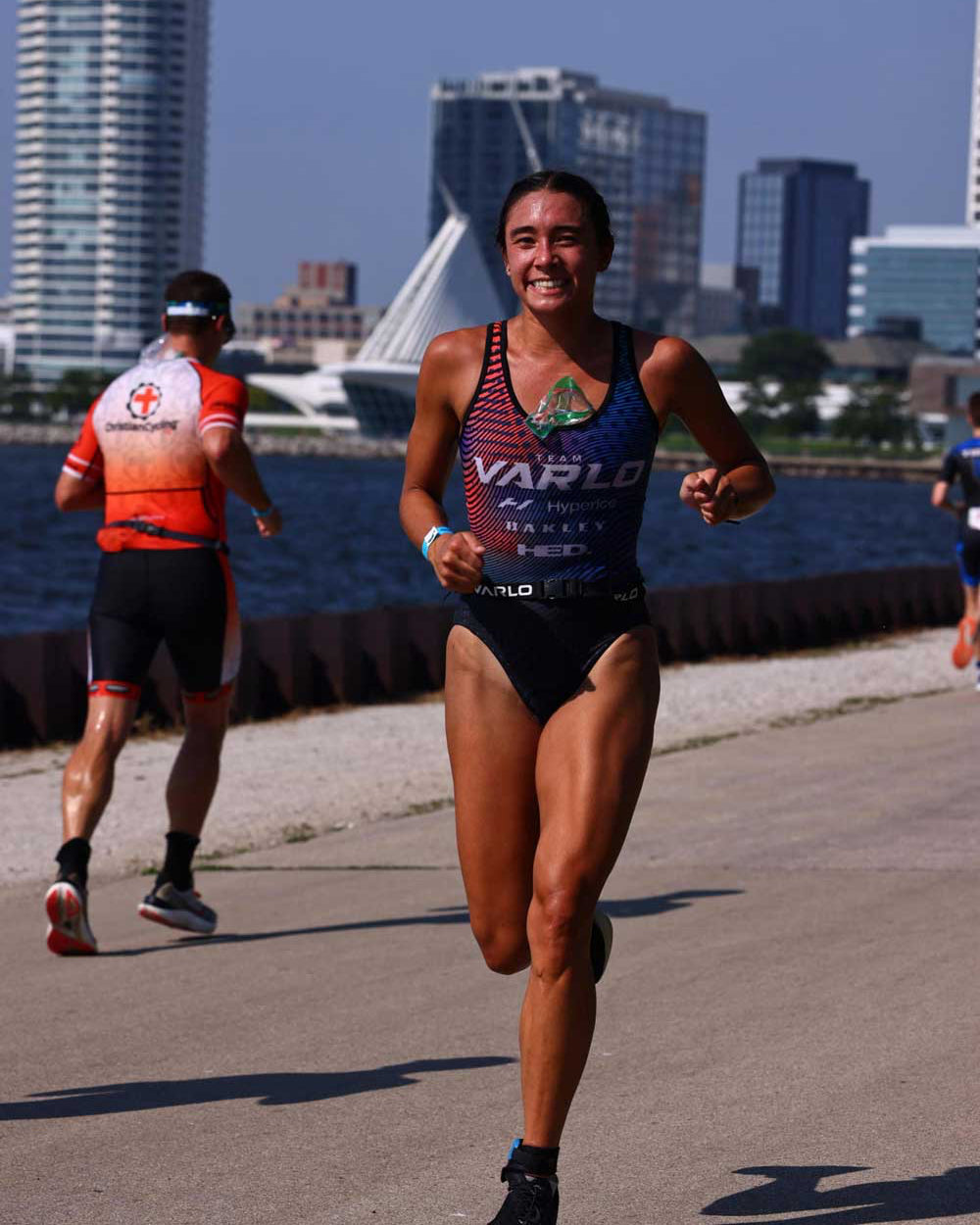
Most recently, I raced at the World Triathlon Championships with a completely different mindset. My goal was simple: have fun, race free, and leave everything out on the course. With no expectations, I surprised myself in the swim, coming out strong and confident.
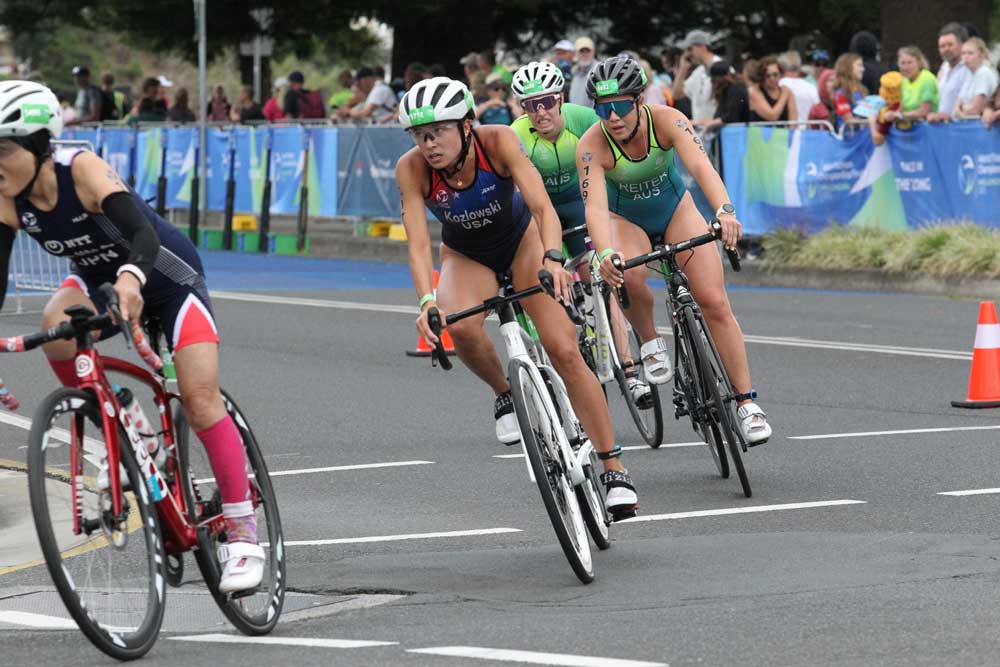
Draft-legal racing was an incredible experience. Even though I spent part of the bike riding solo, once I found a pack, the race came alive. The pace, strategy, and constant movement made racing feel exciting and dynamic.
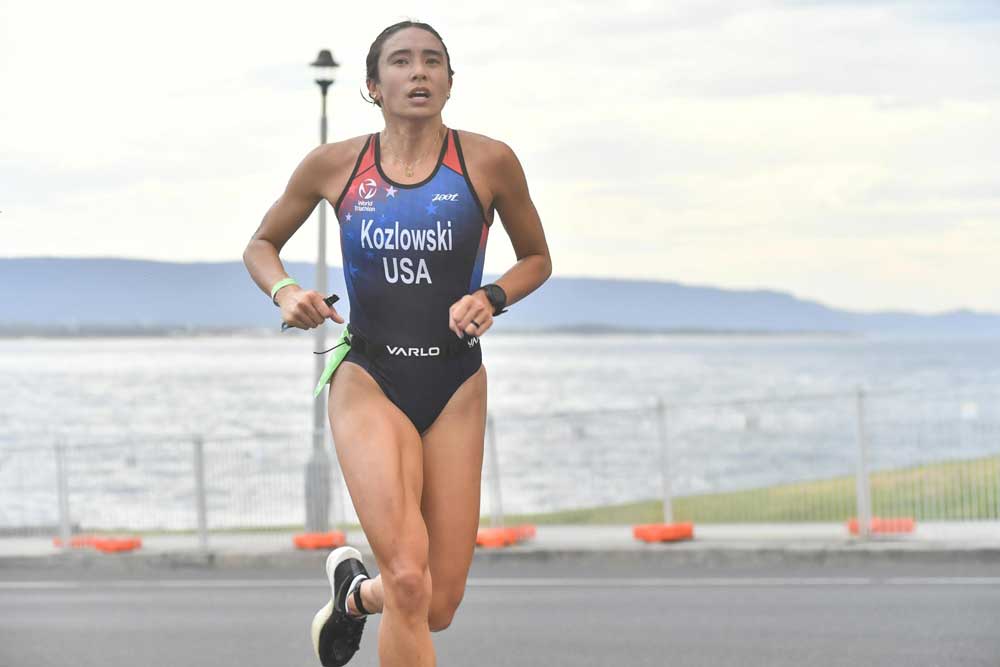
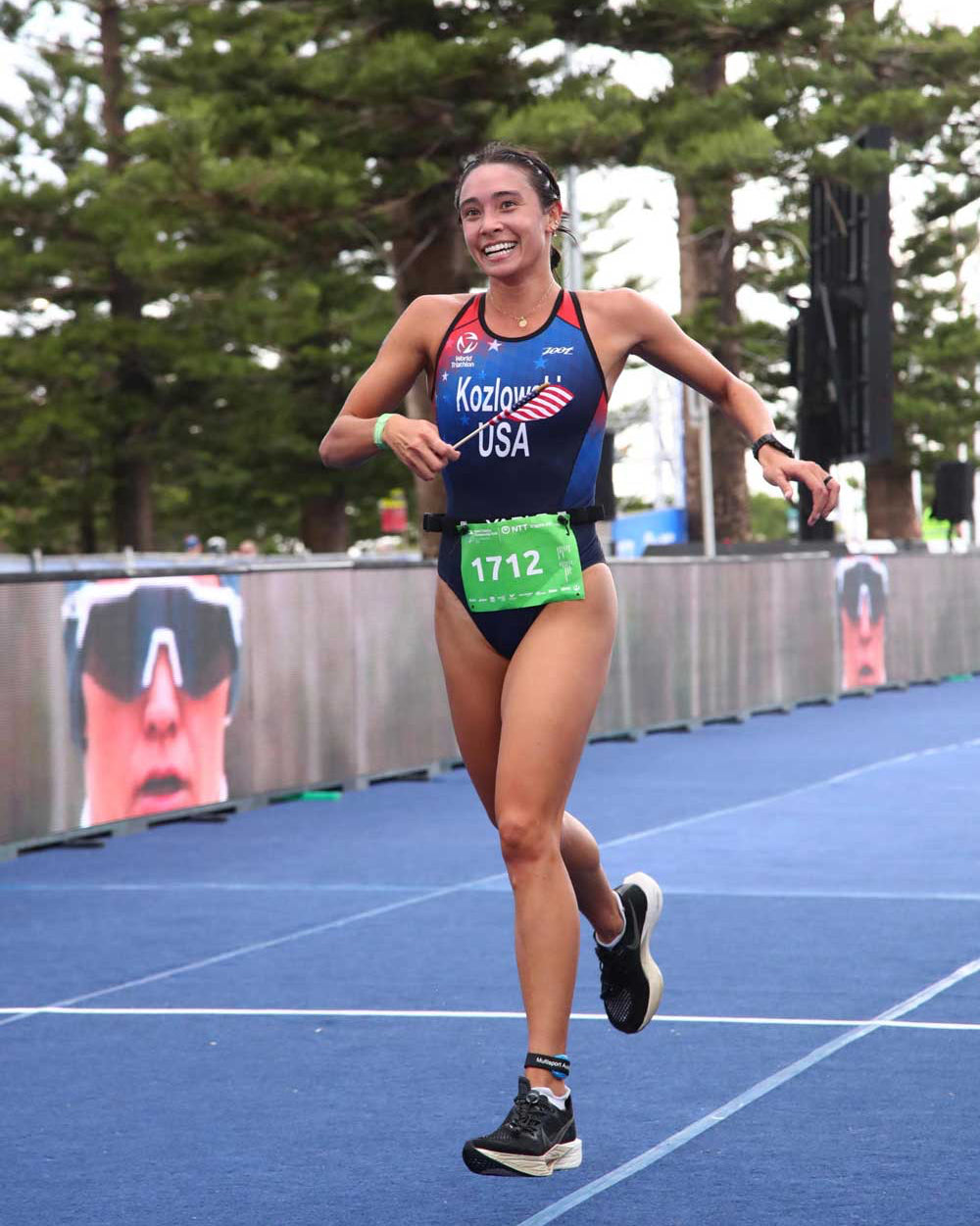
Heading into the run, I felt hungry to compete. I searched for athletes in my age group, chased them down, and gained confidence with every mile. Running down the blue carpet to the finish line was one of the happiest, most electric moments I’ve ever experienced.
That race shifted my motivation. I wasn’t just curious anymore. I was committed.
At Eagleman 70.3, I arrived more prepared, though dealing with hip pain. The first part of the bike was some of the best riding I’ve ever done. When my hip flared up, I backed off but kept moving forward. The run was tough, with pain and a few unexpected stops, but finishing the race brought the same overwhelming joy as my first 70.3. Pure gratitude that I made it across the line.
Most recently, I raced at the World Triathlon Championships with a completely different mindset. My goal was simple: have fun, race free, and leave everything out on the course. With no expectations, I surprised myself in the swim, coming out strong and confident.
Draft-legal racing was an incredible experience. Even though I spent part of the bike riding solo, once I found a pack, the race came alive. The pace, strategy, and constant movement made racing feel exciting and dynamic.
Heading into the run, I felt hungry to compete. I searched for athletes in my age group, chased them down, and gained confidence with every mile. Running down the blue carpet to the finish line was one of the happiest, most electric moments I’ve ever experienced.

Through every race, one constant has fueled me, my husband. He bought my first bike, encouraged my first race, and believed in me from the beginning. Every start line carries his support with it.
What I love about racing today is the challenge. I love pushing into new levels of discomfort, embracing it, and seeing what’s possible. I love the rush of competition and the moments where I surprise myself at the finish line. Even on hard days, I’m grateful for the opportunity to step up to the line and keep chasing big goals.
When I look back now, none of this feels accidental. From camping at mountain bike races in Arizona, riding the streets of Taiwan, cross-training through injuries, and lining up at triathlons, cycling has always been there.
I didn’t find the bike later in life.
It found me early.
And it never let go.
Through every race, one constant has fueled me, my husband. He bought my first bike, encouraged my first race, and believed in me from the beginning. Every start line carries his support with it.
What I love about racing today is the challenge. I love pushing into new levels of discomfort, embracing it, and seeing what’s possible. I love the rush of competition and the moments where I surprise myself at the finish line. Even on hard days, I’m grateful for the opportunity to step up to the line and keep chasing big goals.
When I look back now, none of this feels accidental. From camping at mountain bike races in Arizona, riding the streets of Taiwan, cross-training through injuries, and lining up at triathlons, cycling has always been there.
I didn’t find the bike later in life.
It found me early.
And it never let go.
Follow along Alex's journey on her Instagram - https://www.instagram.com/alexandradwilk/
We're wishing Alex luck in her upcoming races! The next two triathlons she'll be competing in this year are on 2/28 & on 3/1 she'll be racing in the Clermont EDR races. Good luck Alex!
Follow along Alex's journey on her Instagram - https://www.instagram.com/alexandradwilk/
We're wishing Alex luck in her upcoming races! The next two triathlons she'll be competing in this year are on 2/28 & on 3/1 she'll be racing in the Clermont EDR races. Good luck Alex!




Leave a comment (all fields required)