






September 19th, 2026 | by Rachel Neylan
For this week’s Quench’d story we spoke with Rachel Neylan, a professional cyclist from Australia. After years of racing at the top level, Rachel was struggling with fueling. She was doing what had always been told to her, but it didn’t feel good. Then, she realized something that changed her approach to fueling forever.
For this week’s Quench’d story we spoke with Rachel Neylan, a professional cyclist from Australia. After years of racing at the top level, Rachel was struggling with fueling. She was doing what had always been told to her, but it didn’t feel good. Then, she realized something that changed her approach to fueling forever.
Through most of my professional career as a cyclist, I knew nothing about what was inside my bottles.
It was top-level sport, World Championships, the Olympics, team cars, soigneurs, the whole lot. And still, as a bottle came my way on a day that reached 40 degrees, I could not tell you how many grams of carbohydrate or sodium was in there. None of us could, the information did not exist back then, neither in the convoy, nor in the peloton.
Through most of my professional career as a cyclist, I knew nothing about what was inside my bottles.
It was top-level sport, World Championships, the Olympics, team cars, soigneurs, the whole lot. And still, as a bottle came my way on a day that reached 40 degrees, I could not tell you how many grams of carbohydrate or sodium was in there. None of us could, the information did not exist back then, neither in the convoy, nor in the peloton.
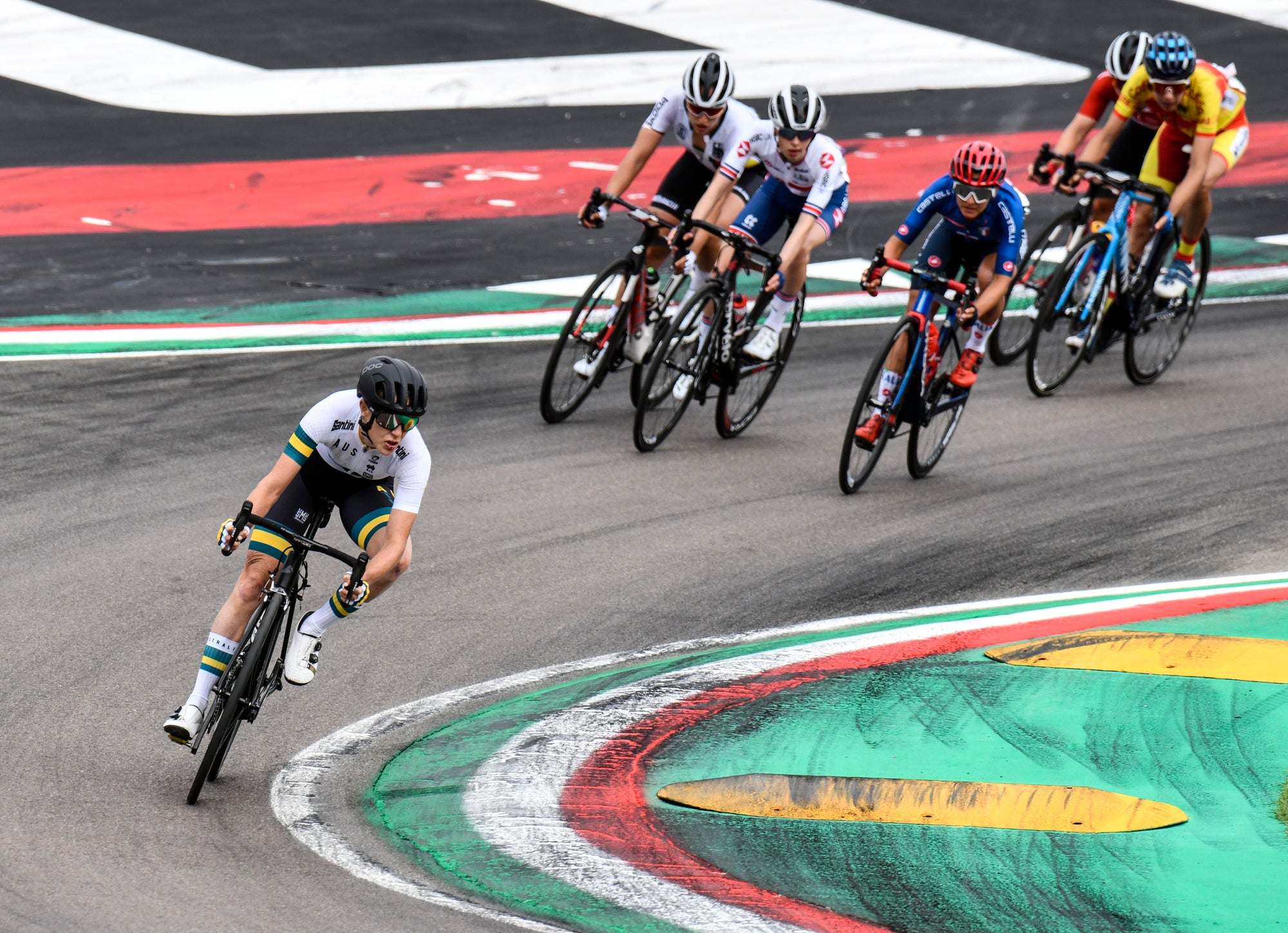
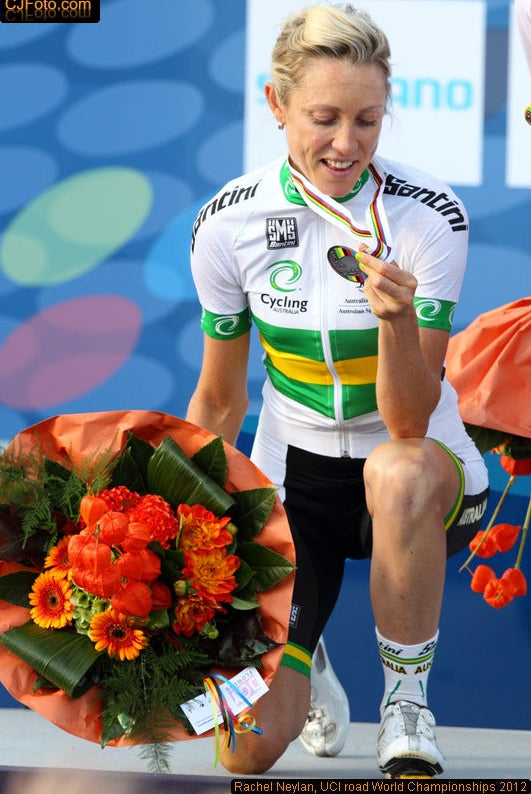
You drank whenever you remembered it, took the drink offered to you, and added electrolytes and race nutrition in bottles by feel, by habit and by whatever the rider beside you believed in. In the heat, you simply drank more, which means more of everything, more carbohydrate, more sodium, and more of the formula nobody has calculated for anyone.
The amount of sodium lost is equal to the sweat rate multiplied by sweat sodium concentration, and it varies wildly among athletes. Mine was on the low side. The standard advice back then, loading your bottles with electrolytes in the heat, was made for the average athlete who lost average amounts of sodium, and I was definitely not her. My body was getting way too much sodium, so it did what our bodies do in such cases: it became more thirsty and retained more fluid.
One day in a one-day race, this was acceptable. In a stage race, it added up. Day after day, following a plan made for someone else's physiology, I felt the weight of it accumulate, retaining fluid as the tour went on. And I was doing everything right, by the standards of the day. It is the standards that were just not designed for me.
You drank whenever you remembered it, took the drink offered to you, and added electrolytes and race nutrition in bottles by feel, by habit and by whatever the rider beside you believed in. In the heat, you simply drank more, which means more of everything, more carbohydrate, more sodium, and more of the formula nobody has calculated for anyone.
The amount of sodium lost is equal to the sweat rate multiplied by sweat sodium concentration, and it varies wildly among athletes. Mine was on the low side. The standard advice back then, loading your bottles with electrolytes in the heat, was made for the average athlete who lost average amounts of sodium, and I was definitely not her. My body was getting way too much sodium, so it did what our bodies do in such cases: it became more thirsty and retained more fluid.
One day in a one-day race, this was acceptable. In a stage race, it added up. Day after day, following a plan made for someone else's physiology, I felt the weight of it accumulate, retaining fluid as the tour went on. And I was doing everything right, by the standards of the day. It is the standards that were just not designed for me.
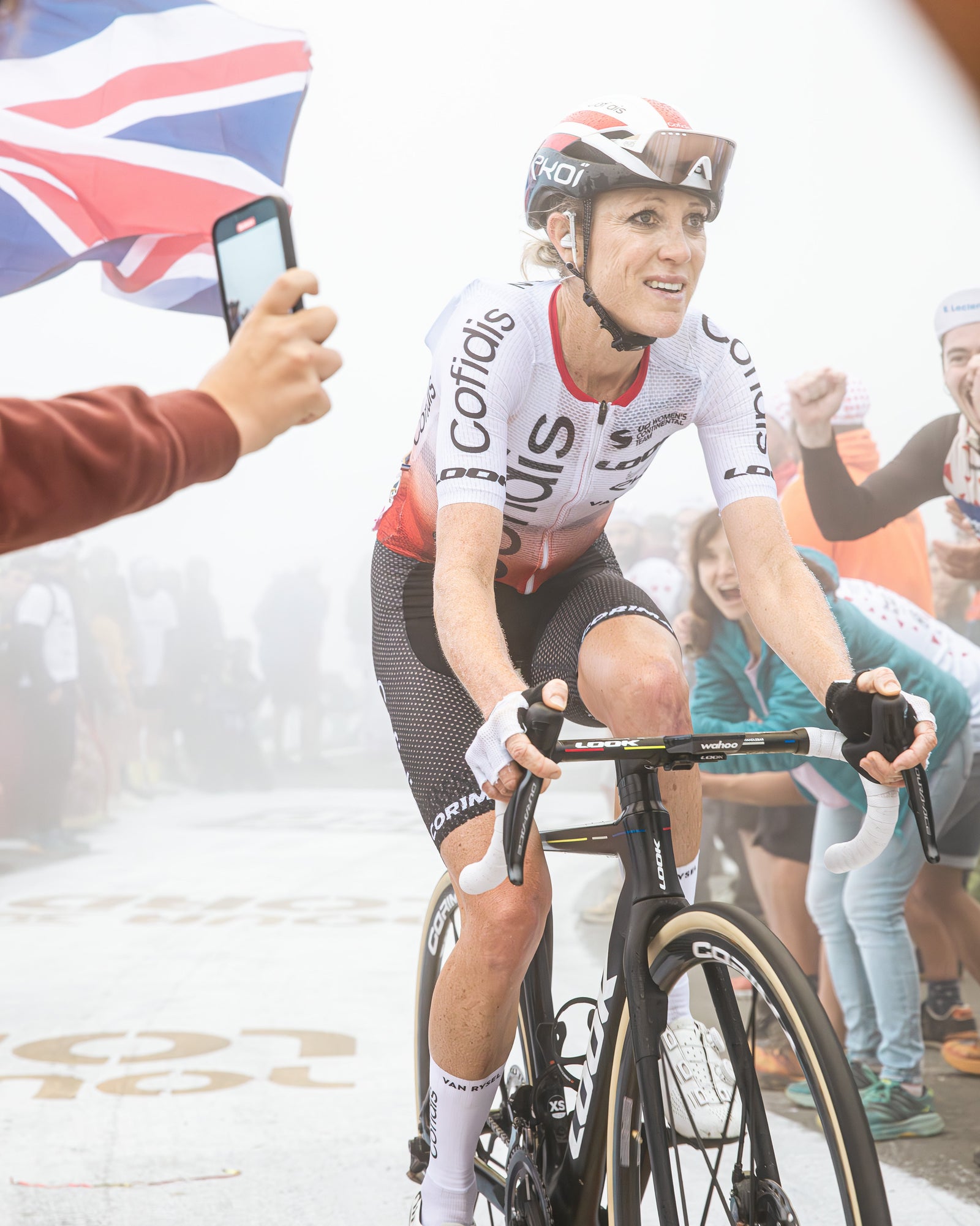

At some point, the guesswork was replaced by numbers, and not just any numbers, mine. The sweat tests to tell you how much fluid your body is really losing and how much sodium it is actually losing. Not some average values. Carbohydrate targets, in grams per hour, not poured in on instinct, but calculated to fit the day and adapted to the heat. Continuous glucose monitoring to show you in real time how well the fuelling works. Core body temperature measurement, just like we used to measure heart rate, to allow you to manage the heat stress with information, not ambush it at the base of the final climb.
Each and every mystery of my earlier career became measurable, planned and reviewed. What you get in your bottle today is no more guesswork, it is a prescription.
I find this amazing turnaround remarkable to contemplate, since it happened within one career. I raced through both of the eras. I know the feeling, and the difference is not marginal, it directly affects the way you race. Equally important, it changes how you feel about yourself as an athlete, since a lot of what used to be classified as bad legs or a bad day was, in fact, just an unanswered physiology question.
At some point, the guesswork was replaced by numbers, and not just any numbers, mine. The sweat tests to tell you how much fluid your body is really losing and how much sodium it is actually losing. Not some average values. Carbohydrate targets, in grams per hour, not poured in on instinct, but calculated to fit the day and adapted to the heat. Continuous glucose monitoring to show you in real time how well the fuelling works. Core body temperature measurement, just like we used to measure heart rate, to allow you to manage the heat stress with information, not ambush it at the base of the final climb.
Each and every mystery of my earlier career became measurable, planned and reviewed. What you get in your bottle today is no more guesswork, it is a prescription.
I find this amazing turnaround remarkable to contemplate, since it happened within one career. I raced through both of the eras. I know the feeling, and the difference is not marginal, it directly affects the way you race. Equally important, it changes how you feel about yourself as an athlete, since a lot of what used to be classified as bad legs or a bad day was, in fact, just an unanswered physiology question.
If you are an athlete reading this, at any level, here is what I would learn from these two decades of experience:
Generic advice is average advice. The recommendations on the packet were made for a statistical athlete who is probably not you. My case with sodium is the example. The advice was not wrong in general, it was wrong for me, and I paid for that difference throughout many stage races. Single most important thing you can do for your performance is figure out how your body really behaves, starting with as simple a test as weighing yourself before and after a hard hour in the heat.
Test, then trust. You do not need a WorldTour budget anymore. Sweat testing is available to everyone, sweat rate calculations cost nothing and even the observation of how different combinations behave in your body during your long sessions are the data if you write it down. One thing to keep in mind from the clinical side of my brain, one test is a snapshot, not the verdict, so repeat it under conditions that resemble your event, since heat adaptation, intensity and even the collection site can influence the results. The point is to move from folklore to data, one variable at a time.
Conditions change the equation. The day the temperature rises is the day when your usual plan stops working, since everything scales in the heat, fluid, sodium, carbohydrate, core body temperature, and a plan made for the mild day moves further and further from reality with each degree rise. Make sure you have a hot day version of your strategy prepared before you need it.
More is not a strategy. For years, in the heat, the instinct was just to add, add more fluid, add more electrolytes, add more fuel. My body taught me that adding without understanding creates its own problems. Precision beats volume.
If you are an athlete reading this, at any level, here is what I would learn from these two decades of experience:
Generic advice is average advice. The recommendations on the packet were made for a statistical athlete who is probably not you. My case with sodium is the example. The advice was not wrong in general, it was wrong for me, and I paid for that difference throughout many stage races. Single most important thing you can do for your performance is figure out how your body really behaves, starting with as simple a test as weighing yourself before and after a hard hour in the heat.
Test, then trust. You do not need a WorldTour budget anymore. Sweat testing is available to everyone, sweat rate calculations cost nothing and even the observation of how different combinations behave in your body during your long sessions are the data if you write it down. One thing to keep in mind from the clinical side of my brain, one test is a snapshot, not the verdict, so repeat it under conditions that resemble your event, since heat adaptation, intensity and even the collection site can influence the results. The point is to move from folklore to data, one variable at a time.
Conditions change the equation. The day the temperature rises is the day when your usual plan stops working, since everything scales in the heat, fluid, sodium, carbohydrate, core body temperature, and a plan made for the mild day moves further and further from reality with each degree rise. Make sure you have a hot day version of your strategy prepared before you need it.
More is not a strategy. For years, in the heat, the instinct was just to add, add more fluid, add more electrolytes, add more fuel. My body taught me that adding without understanding creates its own problems. Precision beats volume.
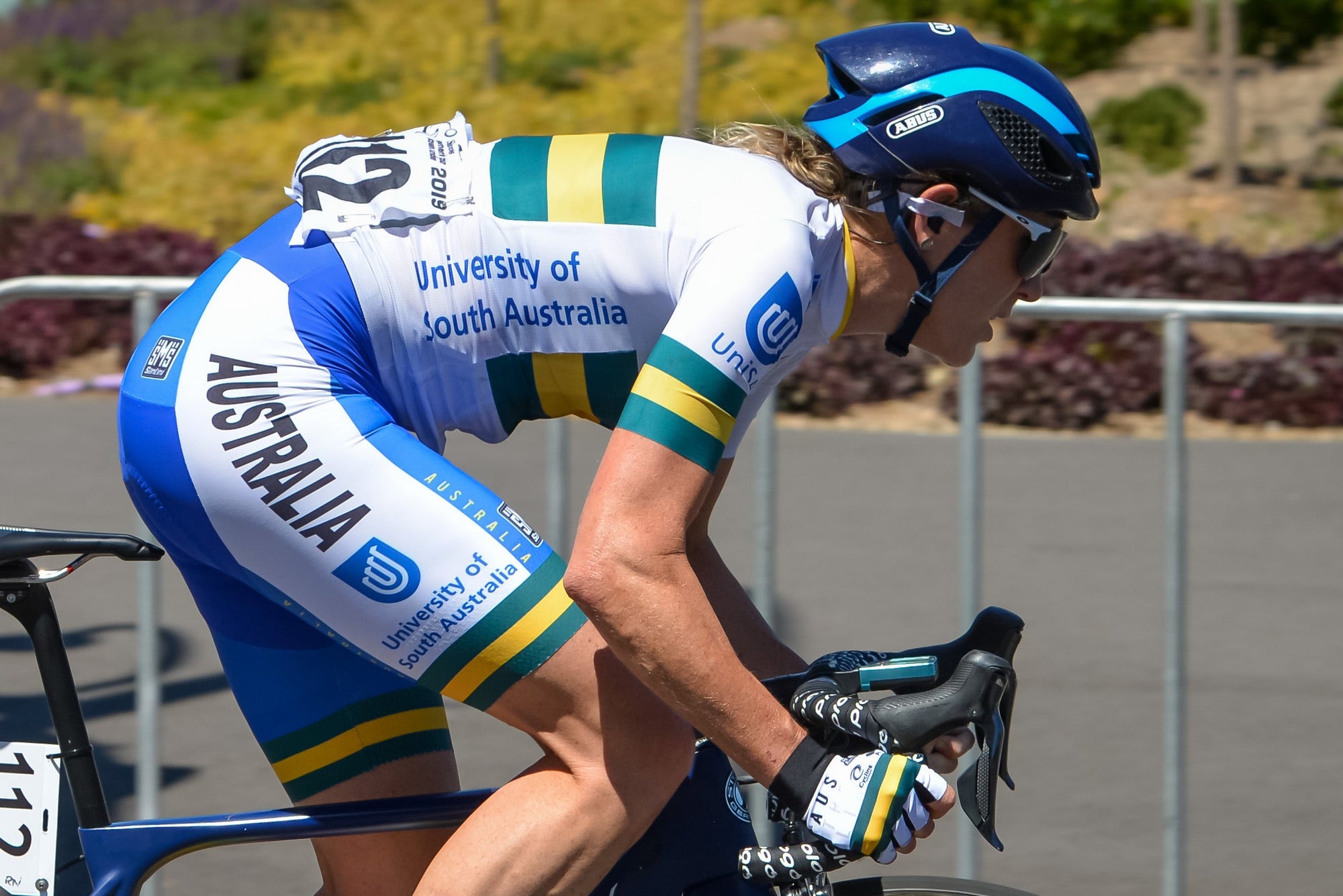
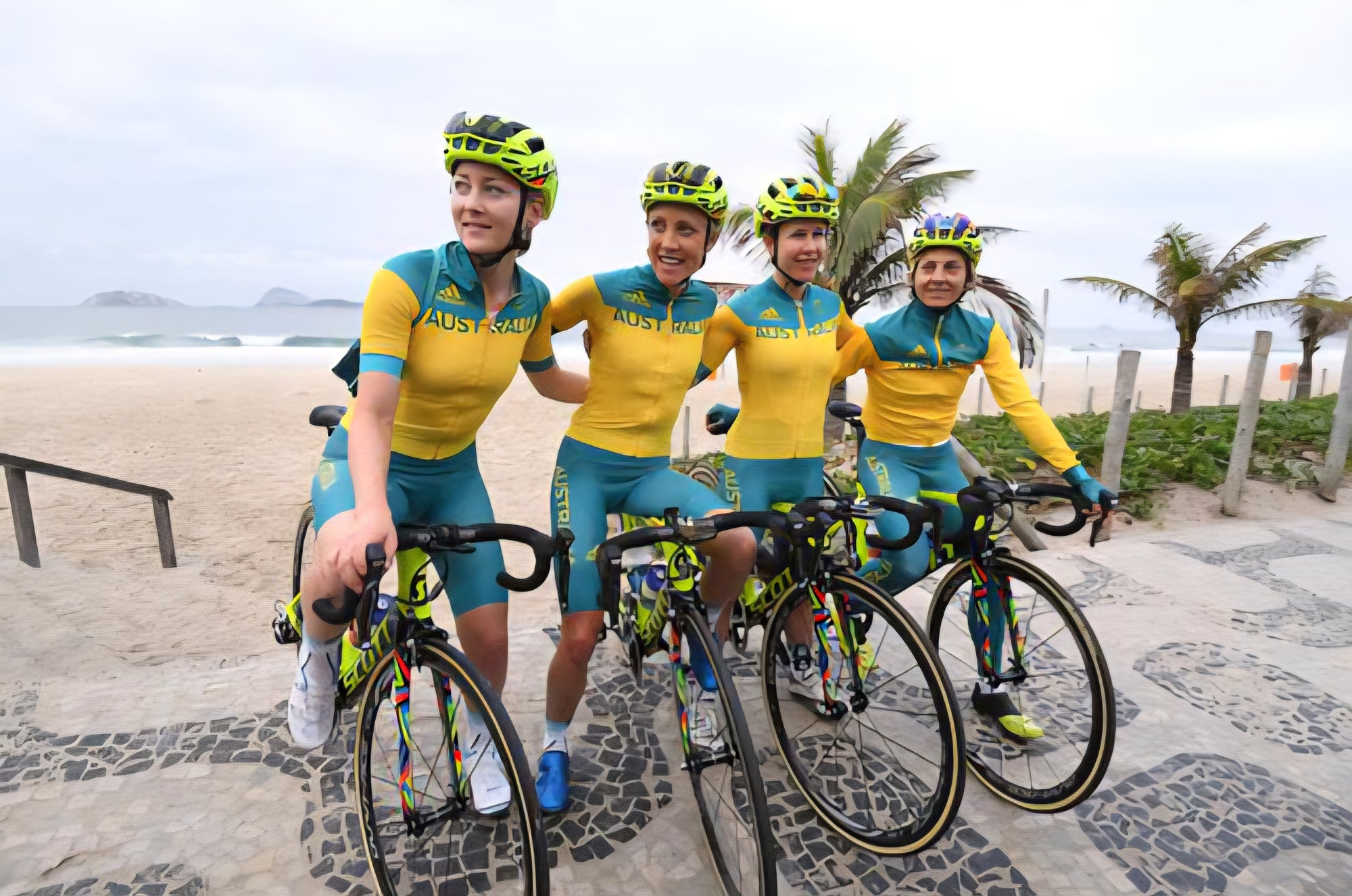
But there is one more lesson: science only works if the athlete drinks, when the behaviour is established. No matter how perfect your prescription is, your sweat test, your sodium numbers, your carbohydrate targets, all of it is meaningless if the bottle comes back half full, because the fluid in it was too hot, or tasted like warm plastic. Knowledge is not the same as practice, and in the field, and in high performance, practice is where performance lives.
This leads me to the part of the system we rarely talk about, the bottle itself. For decades we asked athletes to drink from a plastic bottle that cooked in the sun on the road, who knows how much plastic we have consumed in our lifetime as sportspeople this way? To that, add the fact that a standard plastic bidon cannot keep the fluid cold, while cold fluid in the heat is not a luxury, it is a thermoregulation tool, and you start seeing the gap. We solved the issue of what goes into the bottle and left the bottle itself in another age.
Here is where my systems thinking gets really excited, since performance is never one variable. It is the science, the behaviour and the equipment working as a connected system, and the innovation I admire is the one that unites performance science with the technology people want to use.
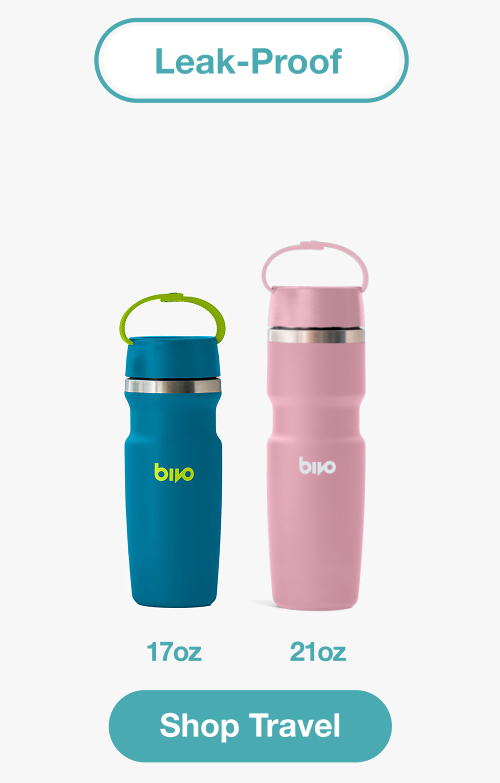
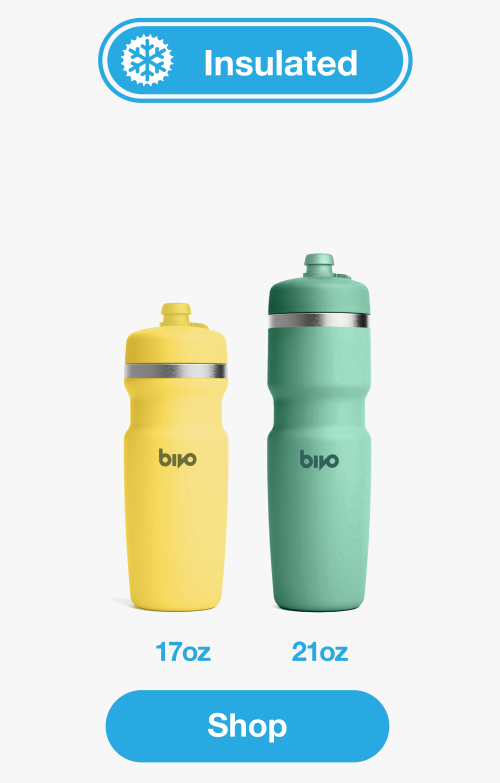
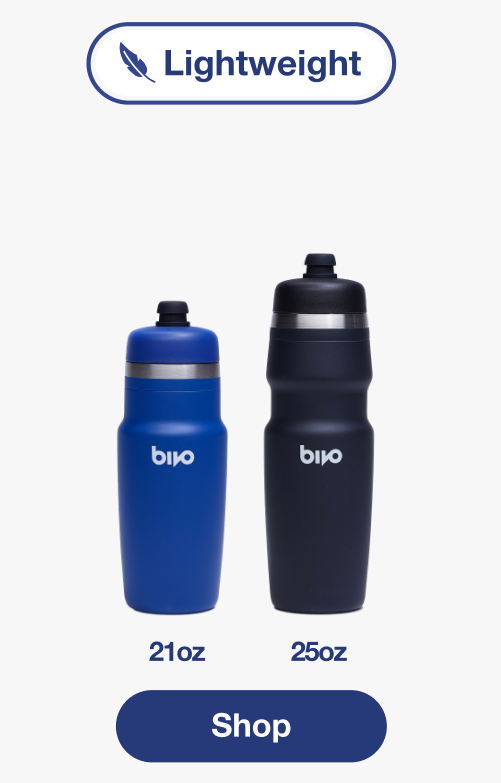
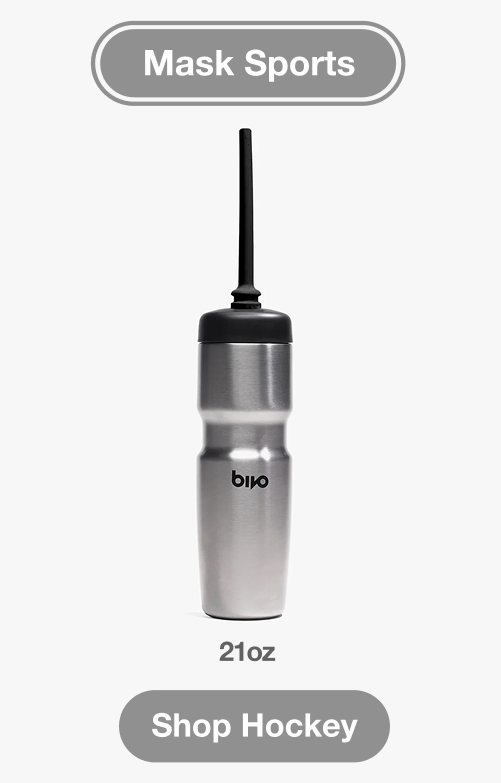
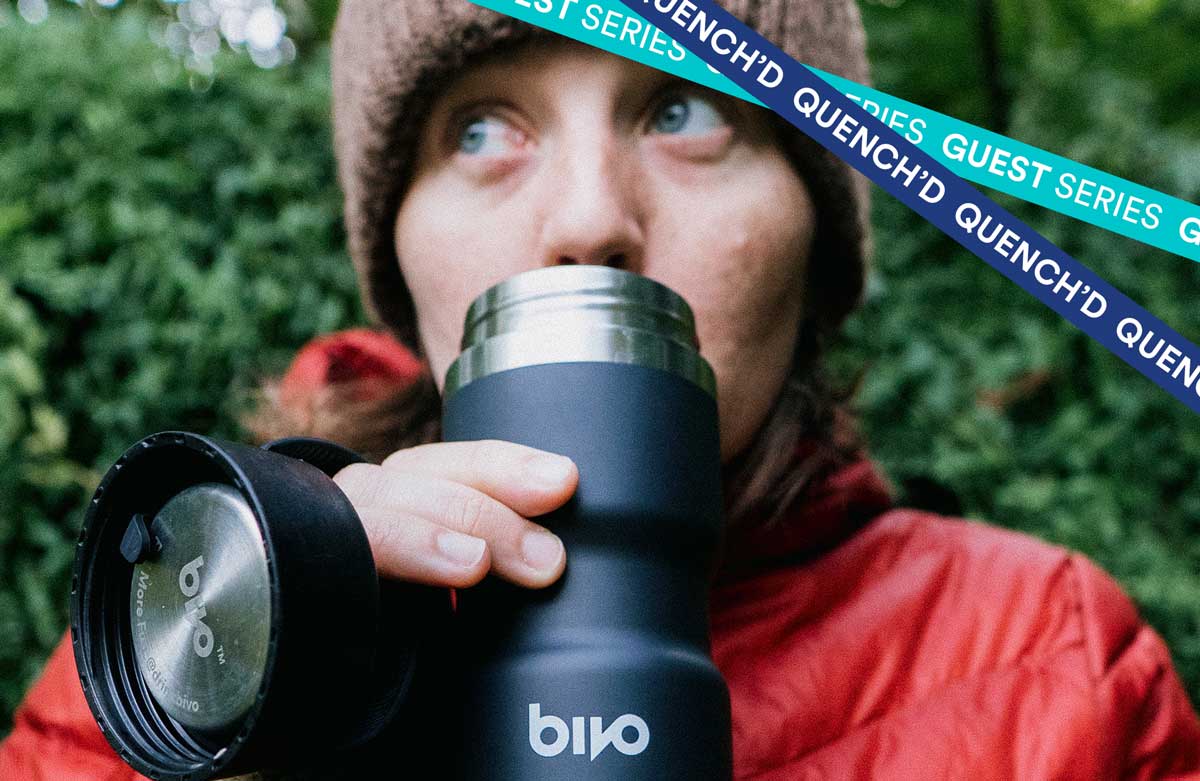
Bivo is exactly the kind of solution, stainless steel that keeps fluid cold and gets plastic out of the equation, and a brand worth paying attention to for that reason. The best hydration strategy in the world is the one followed by the athlete, and athletes will follow the plan when the drink is cold, clean and ready for them.
I think about the young rider I was, reaching for a bottle during a climb in the 2011 Giro, drinking whatever was inside of it since that was all we could do. She was giving her absolute best with the information available, and so were all of us. This is worth noting, since the history of performance science is not a story of our past incompetence. It is the story of questions we did not know how to ask.
For two decades, everything inside the bottle has been changing. It was just a matter of time before the bottle caught up.
Rachel Neylan
But there is one more lesson: science only works if the athlete drinks, when the behaviour is established. No matter how perfect your prescription is, your sweat test, your sodium numbers, your carbohydrate targets, all of it is meaningless if the bottle comes back half full, because the fluid in it was too hot, or tasted like warm plastic. Knowledge is not the same as practice, and in the field, and in high performance, practice is where performance lives.
This leads me to the part of the system we rarely talk about, the bottle itself. For decades we asked athletes to drink from a plastic bottle that cooked in the sun on the road, who knows how much plastic we have consumed in our lifetime as sportspeople this way? To that, add the fact that a standard plastic bidon cannot keep the fluid cold, while cold fluid in the heat is not a luxury, it is a thermoregulation tool, and you start seeing the gap. We solved the issue of what goes into the bottle and left the bottle itself in another age.
Here is where my systems thinking gets really excited, since performance is never one variable. It is the science, the behaviour and the equipment working as a connected system, and the innovation I admire is the one that unites performance science with the technology people want to use.
Bivo is exactly the kind of solution, stainless steel that keeps fluid cold and gets plastic out of the equation, and a brand worth paying attention to for that reason. The best hydration strategy in the world is the one followed by the athlete, and athletes will follow the plan when the drink is cold, clean and ready for them.
I think about the young rider I was, reaching for a bottle during a climb in the 2011 Giro, drinking whatever was inside of it since that was all we could do. She was giving her absolute best with the information available, and so were all of us. This is worth noting, since the history of performance science is not a story of our past incompetence. It is the story of questions we did not know how to ask.
For two decades, everything inside the bottle has been changing. It was just a matter of time before the bottle caught up.
Rachel Neylan






Leave a comment (all fields required)