





October 29th, 2026 | Interview with professional hockey player Blake Bolden
For today's Quench'd, we interviewed Blake Bolden, a former professional hockey player, sports executive, scout, and broadcaster who has helped shape the game both on and off the ice. She became the first Black woman to play in the National Women's Hockey League (NWHL) and later made history as the first Black female pro scout in NHL history with the Los Angeles Kings. During her playing career, she won the Clarkson Cup in 2015 and the inaugural Isobel Cup with the Boston Pride in 2016.
Today, Blake continues to grow the game through her work in hockey scouting, broadcasting, and mentorship, helping create greater visibility and opportunity for the next generation of athletes.
My stepdad, Leslie, is the reason I got into hockey. He took me to my first game when I was six, bought me secondhand equipment, and had me on the ice the very next morning. He gave me the opportunity to fall in love with the game, and that changed my life.
I've had different mentors at different stages of my career. Early on, Bill Andreski was a huge influence. He was the coach who gave me the opportunity to play AAA boys' hockey in Cleveland, Ohio. That opportunity helped me develop as a player and taught me how important it is to have people willing to open doors for you. I'll always remember the people who believed in me before they had any reason to.
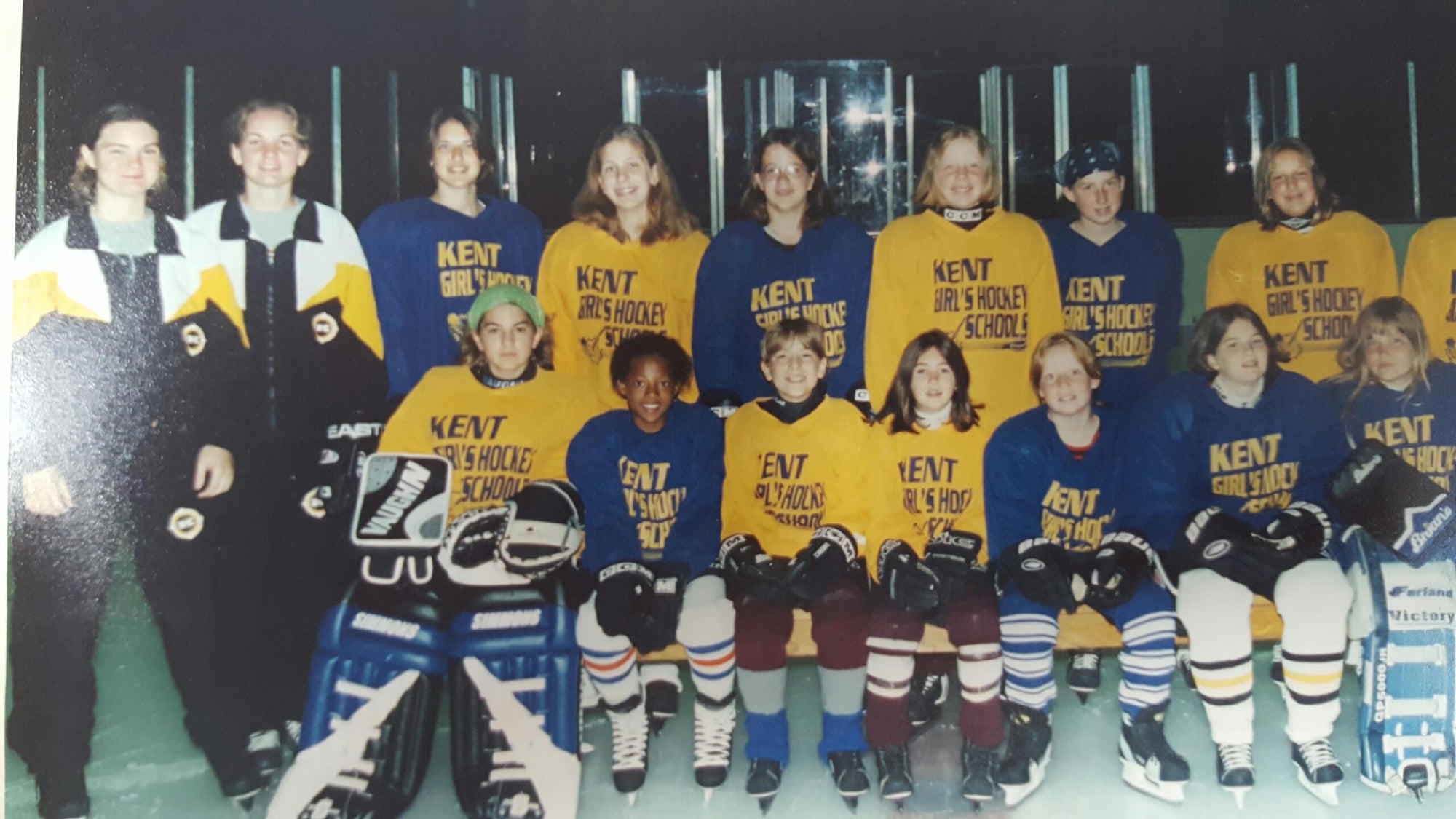
I was 12 when I was selected to play in the Quebec Pee-Wee Tournament alongside some of the best girls from across the country. We were coached by the legendary Manon Rhéaume, and it was an experience that showed me how much was possible in hockey.
Being surrounded by talented players and competing at that level pushed me to dream bigger. I was young, but I knew I wanted to keep challenging myself and see how far I could take the game.
After more than 30 years around hockey, through so many different teams and experiences, it's hard to choose just one moment. The game has given me incredible highs and difficult lows, and both have taught me a lot about myself.
One of my happiest memories was winning the inaugural Isobel Cup with the Boston Pride in 2016. What made that championship especially meaningful was our teammate Denna Laing, who had suffered a serious spinal cord injury earlier that season. We dedicated the championship to her, included her in our celebration, and brought the cup to her in the hospital.
That moment reminded me that hockey is about so much more than what happens on the ice. It's about the people beside you, the bonds you build, and the things you accomplish together.
So much of mentoring comes down to confidence and learning to quiet that inner critic. Young athletes put enormous pressure on themselves to be perfect, when the reality is that growth comes from learning, making mistakes, and being willing to compete.
What I love most is watching a player start to believe in herself. It's when she takes ownership of a power play, trusts her instincts, speaks up, and realizes that her voice on the ice matters just as much as her skill. Helping players recognize what they're capable of is incredibly rewarding. That confidence can carry well beyond hockey, too.
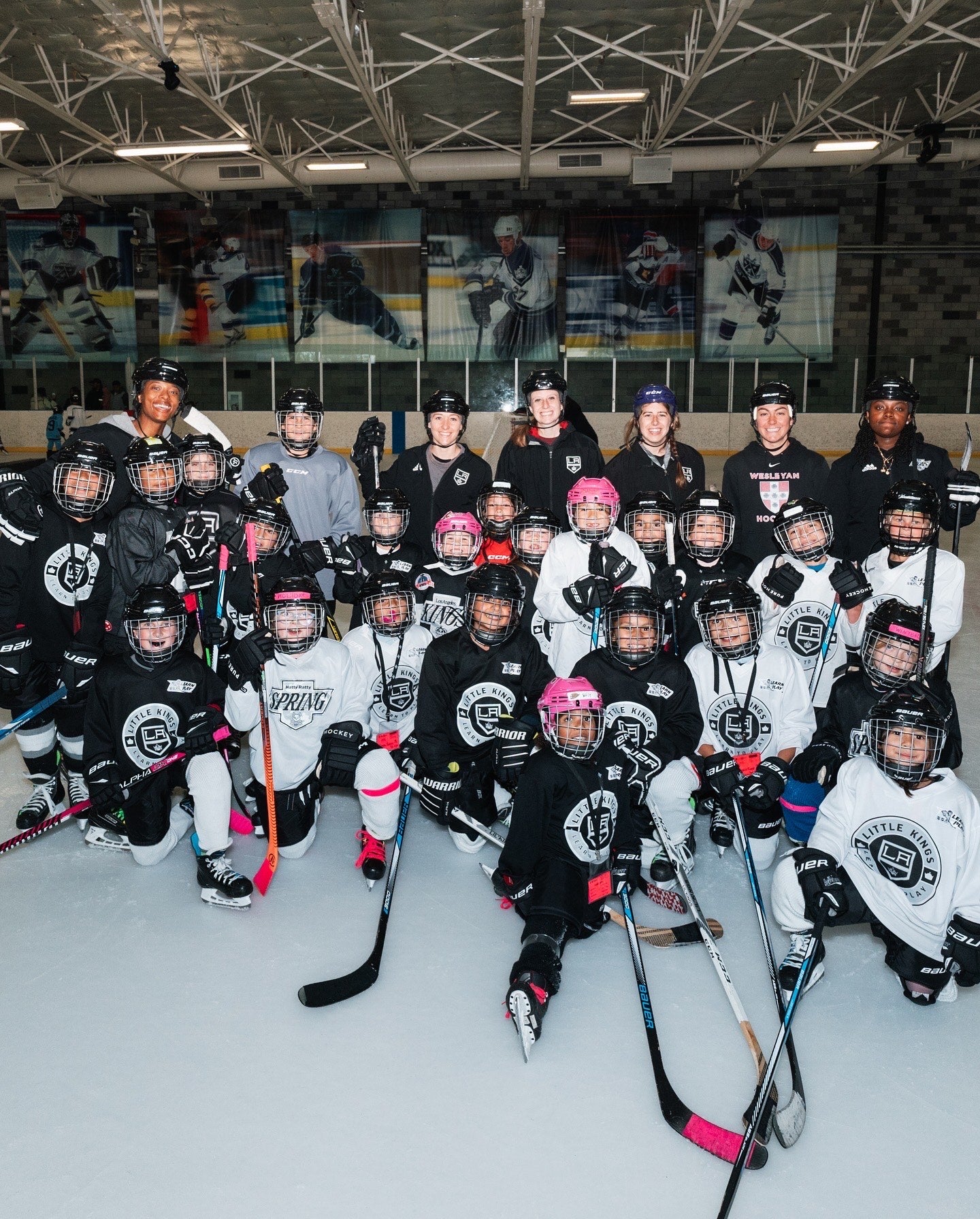
Broadcasting gives me a new way to connect with a game that has shaped so much of my life. Working with networks and leagues including ESPN, Amazon Prime Video, FanDuel Sports Network, and the PWHL allows me to break down the details, highlight plays fans might otherwise miss, and share a different perspective on what's happening on the ice.
When that red LIVE light comes on, I still get an adrenaline rush similar to jumping over the boards for a shift. The difference is that now I get to bring fans into the game through analysis and storytelling.
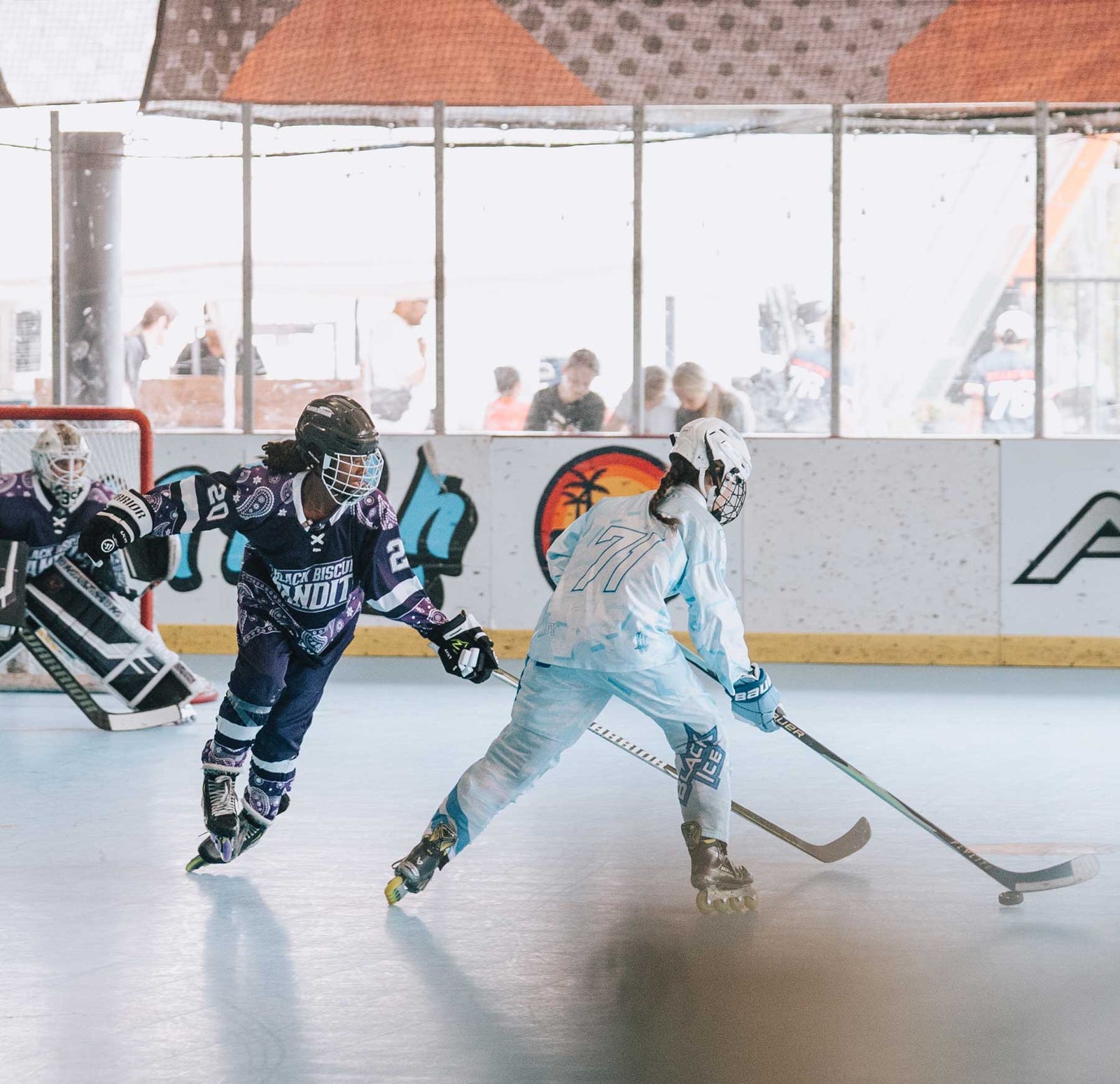

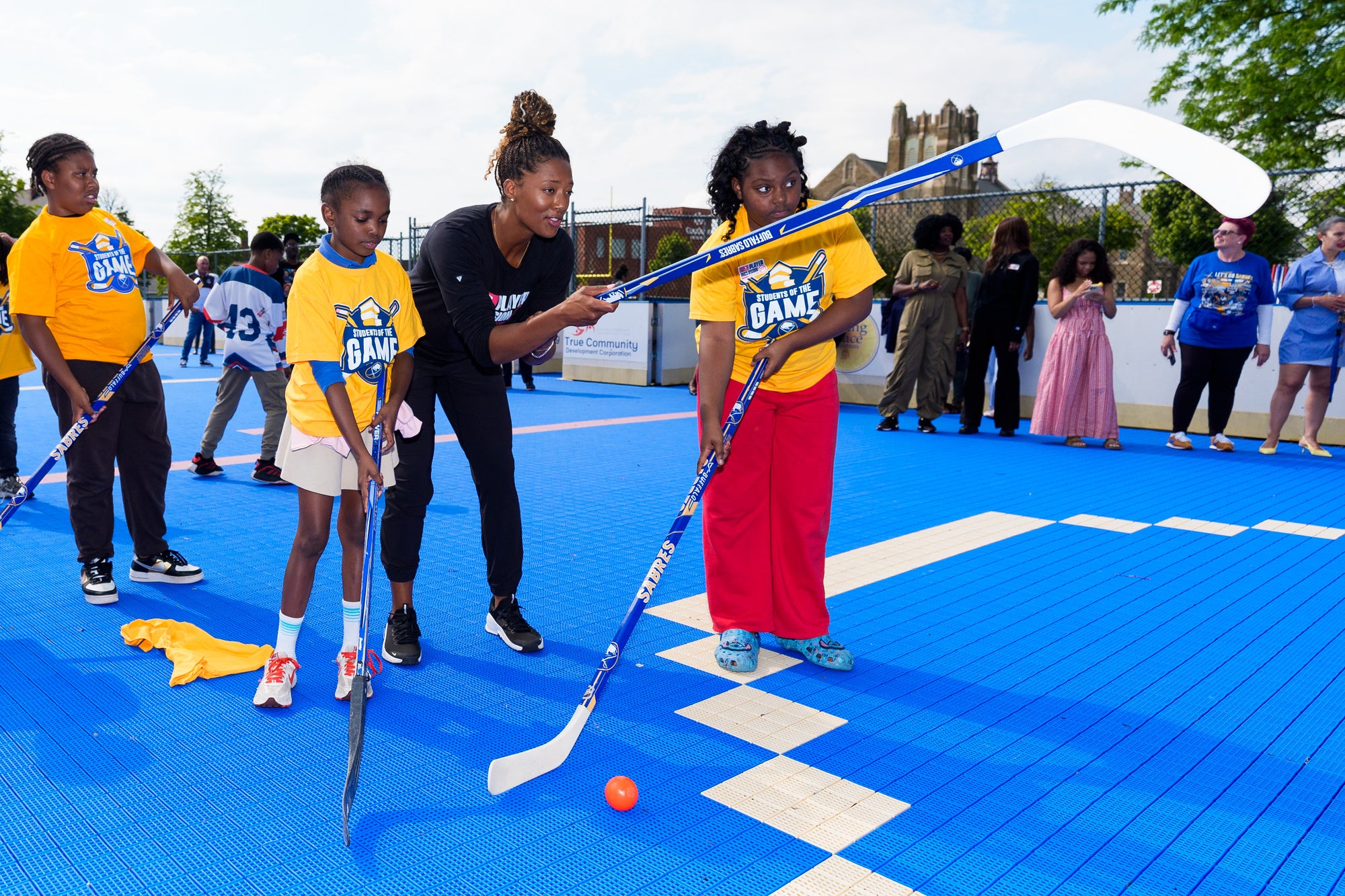
Roller hockey is pure fun. It's typically four-on-four, without offsides or icing, so the game has a continuous flow and plenty of open space. It rewards creativity, great hands, patience, and playmaking.
Ice hockey has its systems, structure, and early-morning rink sessions. Roller hockey brings a different energy, especially at summer tournaments. There's music, creative jerseys, a laid-back atmosphere, and a community that genuinely loves getting together to play. You still need speed, skill, and hockey sense, but the whole experience feels like a celebration of the game.
I love that roller hockey offers another way to compete, connect with people, and enjoy hockey.
Thank you to @meechmina for the rollerhockey images!
Thank you to @meechmina for the rollerhockey images!
It's exciting to see the momentum women's hockey is experiencing, especially after years of players, advocates, and fans pushing for greater investment and recognition.
The launch of the PWHL has been a major step forward. A unified professional league, stronger resources, improved facilities, and major broadcast partnerships have given the game a bigger platform. And fans have shown up.
The talent has always been there. What's changing is the level of investment, visibility, and opportunity. When you give women's sports the platform they deserve, people respond. Just as importantly, young girls can now watch women playing professionally and see a future for themselves in the game.
I want to see the league continue to expand, long-term financial investment grow, and more communities have access to high-quality training facilities and development programs.
Most of all, I live by my big mantra—"if you can see it, you can be it"—so I want every little girl out there, especially young girls of color, to watch us on screen, grab a stick, and know that this game belongs to them just as much as anyone else!






Leave a comment (all fields required)