

Richmond reminds me of my hometown , Auburn, in the Finger Lakes of New York State. Although a much larger town than Richmond, growing up the feeling of community and athletic opportunities surrounded everyone and this remains today.











February 19th, 2026 | Written by Chris H. Hadgis | Photos by Michaela Hall
How a small Vermont town built a legacy of athletes, grit, and world-class kindness.
Driving down Route 2 past Richmond, you could mistake it for another brick‑and‑bridge Vermont town. A weathered Cumberland Farms. A red steel truss bridge over the Winooski. A short block of shops that hum harder than they look. But Richmond’s real pulse sits a mile up Cochran Road, on a small ski hill that has taught generations and, in many ways, the town itself.
How a small Vermont town built a legacy of athletes, grit, and world-class kindness.
Driving down Route 2 past Richmond, you could mistake it for another brick‑and‑bridge Vermont town. A weathered Cumberland Farms. A red steel truss bridge over the Winooski. A short block of shops that hum harder than they look. But Richmond’s real pulse sits a mile up Cochran Road, on a small ski hill that has taught generations and, in many ways, the town itself.
On a cold February morning, Hannah Kinney, 35, was back on that hill, teaching her then four-year-old daughter, Ivy, to ski — the same place where Hannah had learned to ski at four, wearing a bike helmet and chasing Lollipop races. She and Ivy graduated from the Mighty Mite to the steeper “89” trail when Ivy disappeared behind a rise. Before Hannah could sidestep back up, a woman she didn’t know appeared with Ivy tucked between her knees.
“I got you,” she whispered to Ivy, delivering her safely down to Hannah.
This is Richmond. Caring for strangers’ children is the norm, not the exception.
On a cold February morning, Hannah Kinney, 35, was back on that hill, teaching her then four-year-old daughter, Ivy, to ski — the same place where Hannah had learned to ski at four, wearing a bike helmet and chasing Lollipop races. She and Ivy graduated from the Mighty Mite to the steeper “89” trail when Ivy disappeared behind a rise. Before Hannah could sidestep back up, a woman she didn’t know appeared with Ivy tucked between her knees.
“I got you,” she whispered to Ivy, delivering her safely down to Hannah.
This is Richmond. Caring for strangers’ children is the norm, not the exception.
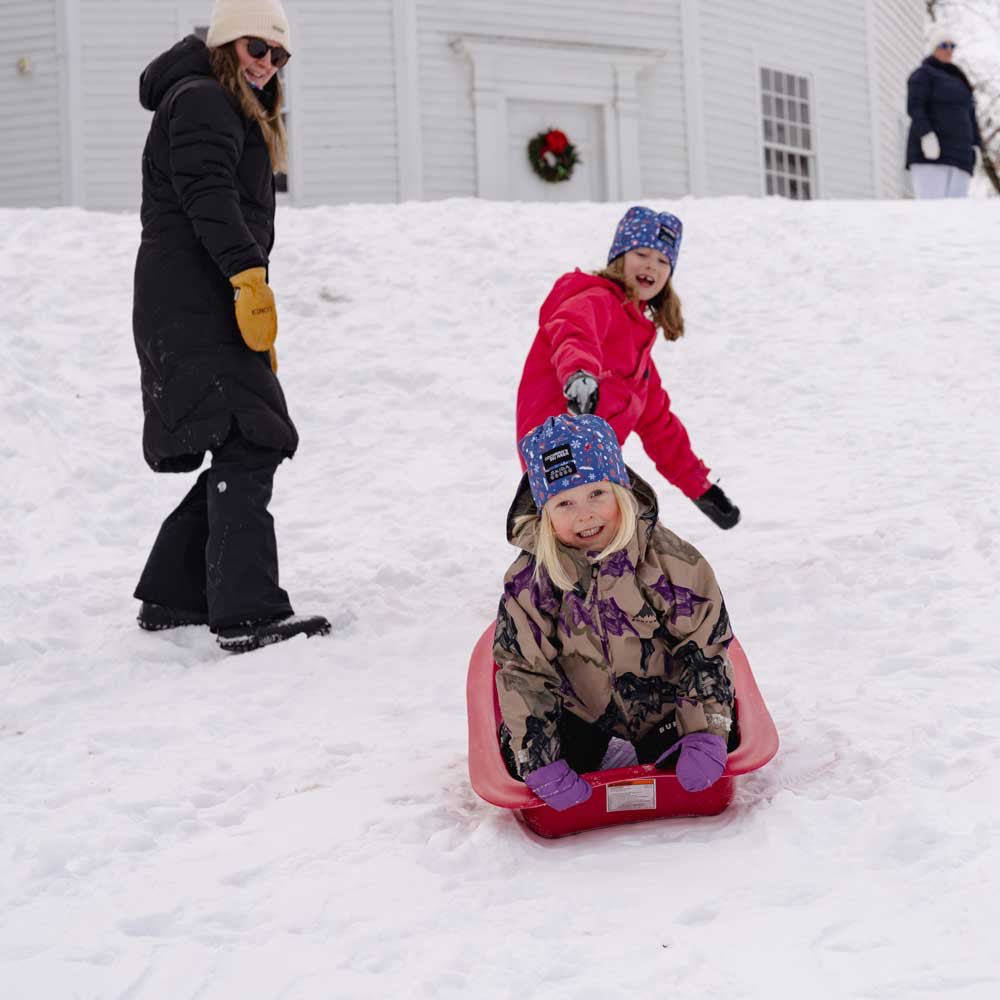

When asked where this reflexive care comes from, Hannah didn’t hesitate. “Cochran’s,” she said. “It begins with them. They make skiing accessible, inclusive, and welcoming for everyone.” Cochran’s is like a favorite childhood teacher; the kind that imparts lessons of generosity and grit that stick long after the snow melts.
A Vermont native who returned in 2021 after seven years in Colorado, Hannah sees the hill’s influence everywhere. “All the kids at the elementary school learn to ski and bike. Every kid gets equipment if needed and has unrestricted access to the outdoors.”
This ethos didn’t appear out of nowhere. It started with a family who built a hill for their kids and ended up shaping a town.
When asked where this reflexive care comes from, Hannah didn’t hesitate. “Cochran’s,” she said. “It begins with them. They make skiing accessible, inclusive, and welcoming for everyone.” Cochran’s is like a favorite childhood teacher; the kind that imparts lessons of generosity and grit that stick long after the snow melts.
A Vermont native who returned in 2021 after seven years in Colorado, Hannah sees the hill’s influence everywhere. “All the kids at the elementary school learn to ski and bike. Every kid gets equipment if needed and has unrestricted access to the outdoors.”
This ethos didn’t appear out of nowhere. It started with a family who built a hill for their kids and ended up shaping a town.
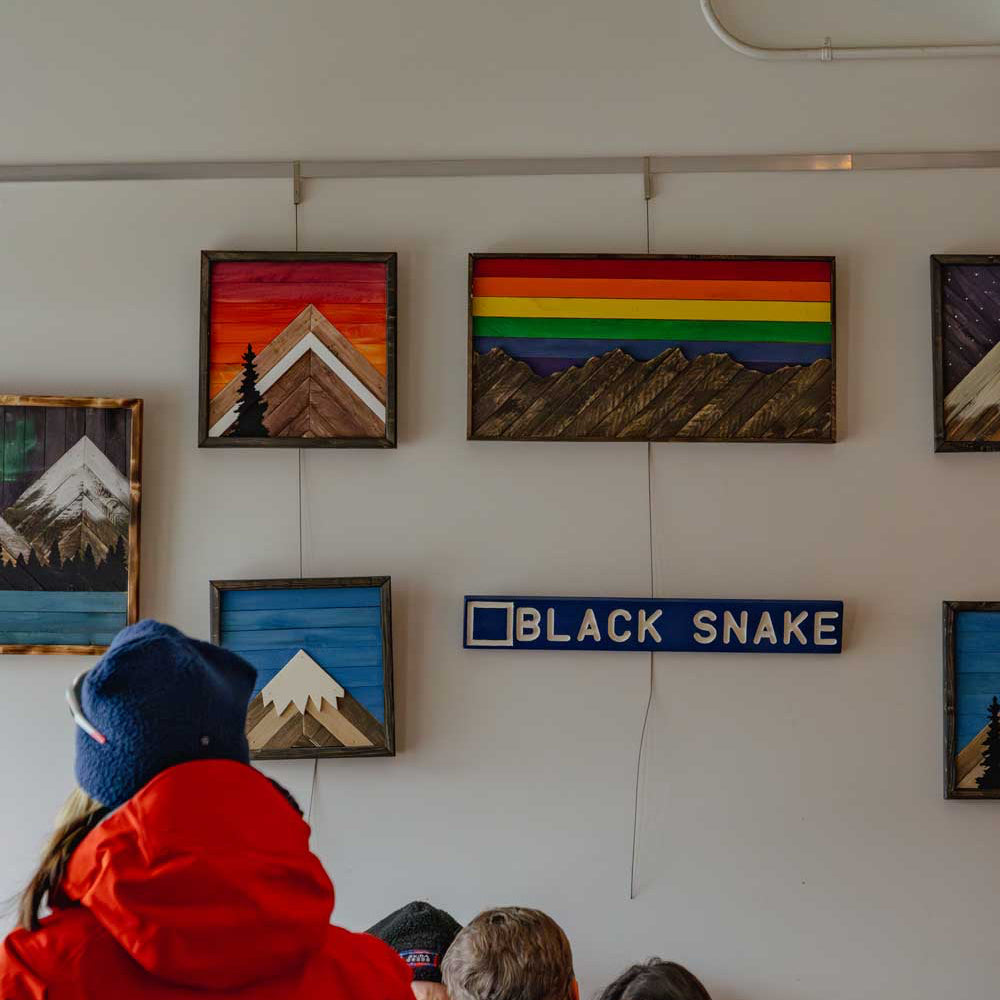
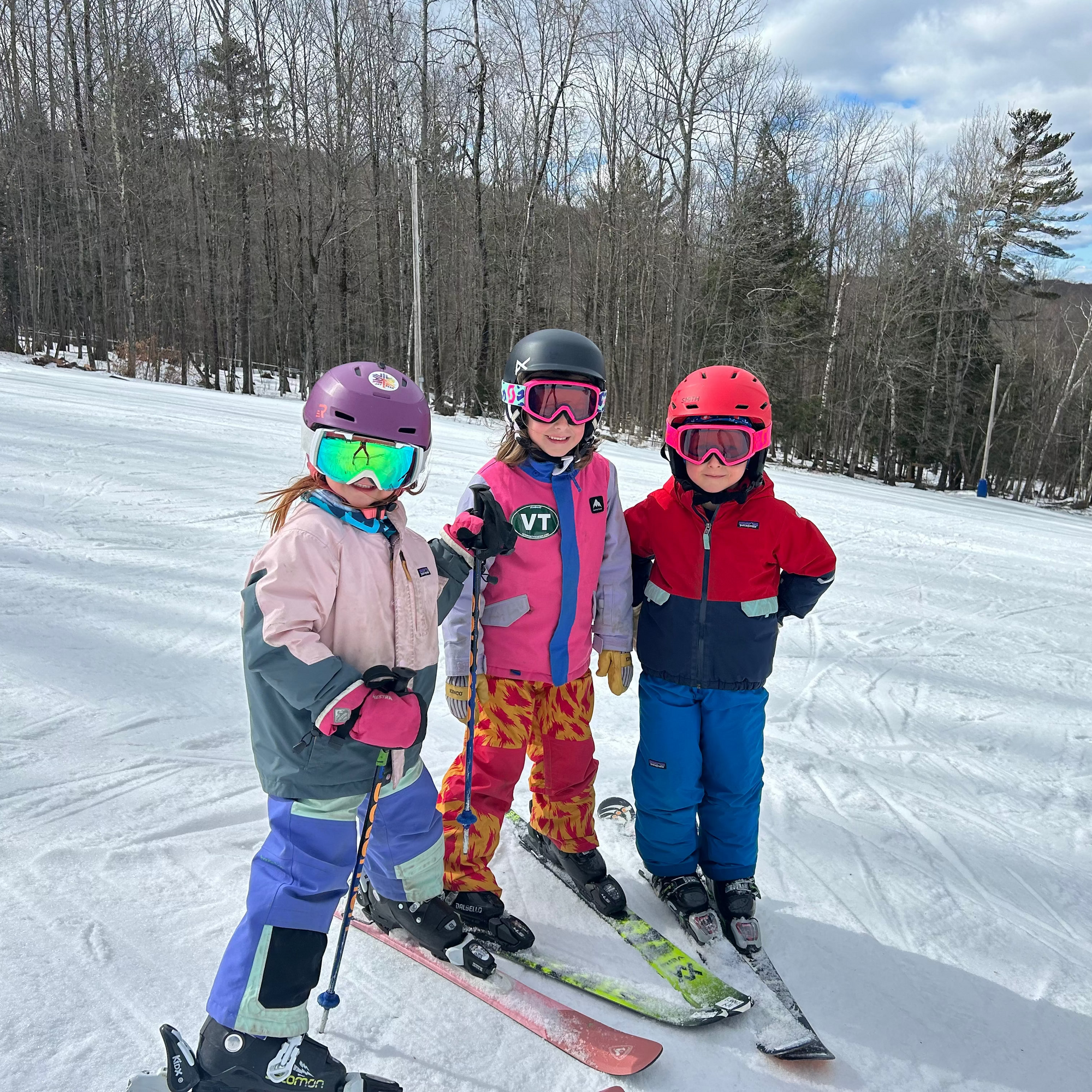
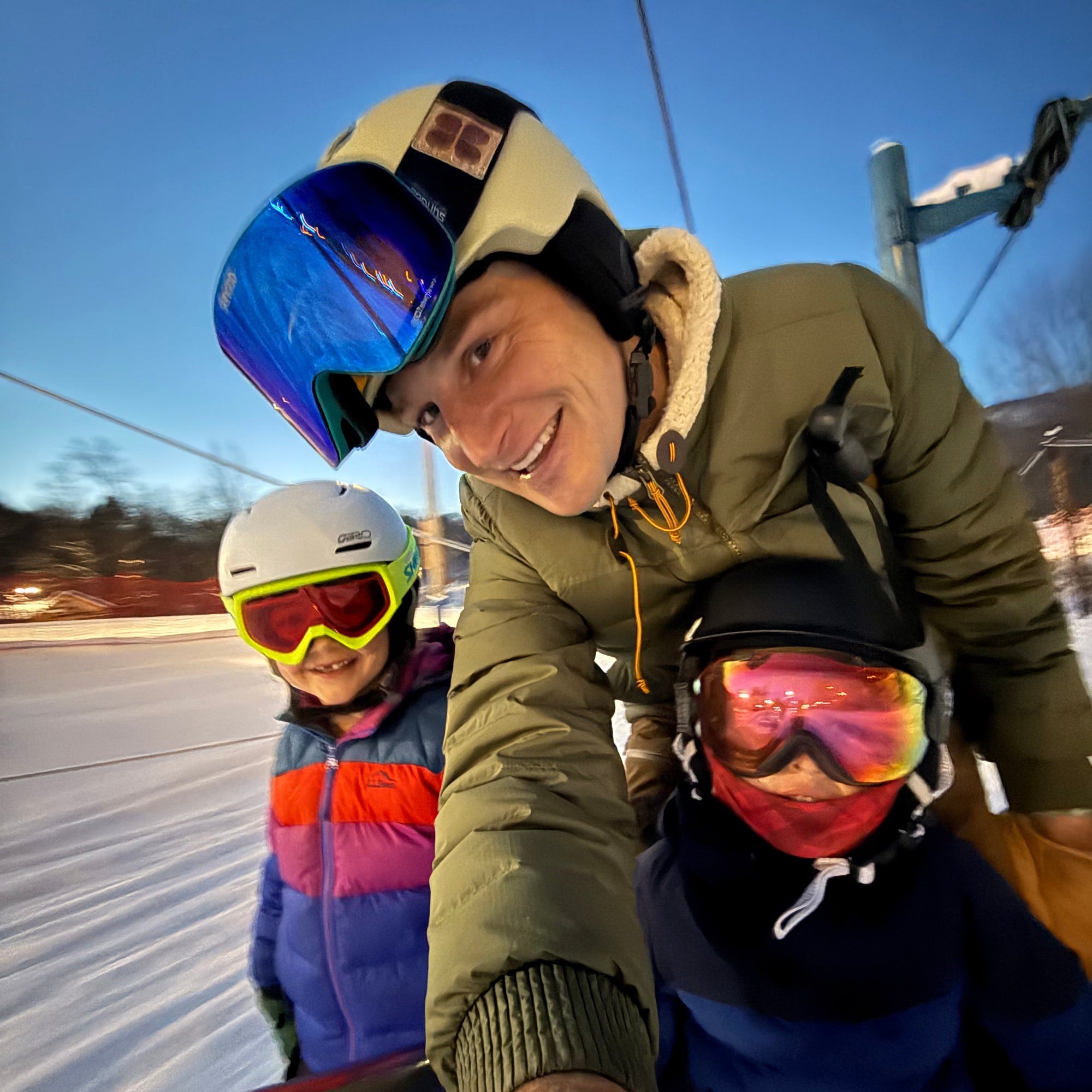
Thank you to Laura King for Image 2 and 3 above!
Thank you to Laura King for Image 2 and 3 above!
Cochran’s didn’t begin as a ski area. In 1961, Mickey and Ginny Cochran engineered a tractor engine to power a 400-foot rope tow on their farm. They did this so their children, and eventually the neighborhood kids, could ski more. Their children — Marilyn, Barbara Ann, Bob, and Lindy — all made the U.S. Ski Team. In 1972, Barbara Ann won the Olympic slalom gold. Her son, Ryan Cochran‑Siegle, now 33, is a World Cup regular and a two-time Olympic super‑G silver medalist.
And yet, the Cochrans never chased glory. Mickey merely wanted kids on snow, often. But the numbers are astounding: 10 Cochrans on the World Cup circuit, 6 Olympians, and 1 tiny backyard hill that produces world-class racers.
Affordability is still the point. At $295, a family season pass costs less than a single-day pass at a major resort; kids five and under ski free. Friday nights are five bucks. Eight high schools and 13 youth ski teams train here. Two thousand elementary students learn to ski on this slope every week. Volunteers keep the programs going. Scholarships catch anyone who might slip through the cracks.
Today, Cochran’s remains a family-run, mission-driven, and the country’s first 501(c)(3) nonprofit ski area, governed by relatives and community members. The lifts have multiplied, and the trail map has grown, but the original ethos stands: no child should be turned away from skiing or riding.
That belief radiates outward into the town, the trails, and the people who choose to make Richmond home. Mickey would be smiling.
Cochran’s didn’t begin as a ski area. In 1961, Mickey and Ginny Cochran engineered a tractor engine to power a 400-foot rope tow on their farm. They did this so their children, and eventually the neighborhood kids, could ski more. Their children — Marilyn, Barbara Ann, Bob, and Lindy — all made the U.S. Ski Team. In 1972, Barbara Ann won the Olympic slalom gold. Her son, Ryan Cochran‑Siegle, now 33, is a World Cup regular and a two-time Olympic super‑G silver medalist.
And yet, the Cochrans never chased glory. Mickey merely wanted kids on snow, often. But the numbers are astounding: 10 Cochrans on the World Cup circuit, 6 Olympians, and 1 tiny backyard hill that produces world-class racers.
Affordability is still the point. At $295, a family season pass costs less than a single-day pass at a major resort; kids five and under ski free. Friday nights are five bucks. Eight high schools and 13 youth ski teams train here. Two thousand elementary students learn to ski on this slope every week. Volunteers keep the programs going. Scholarships catch anyone who might slip through the cracks.
Today, Cochran’s remains a family-run, mission-driven, and the country’s first 501(c)(3) nonprofit ski area, governed by relatives and community members. The lifts have multiplied, and the trail map has grown, but the original ethos stands: no child should be turned away from skiing or riding.
That belief radiates outward into the town, the trails, and the people who choose to make Richmond home. Mickey would be smiling.
When Laura King, 43, moved to Richmond in 2018 with her husband, pro cyclist Ted King, she expected a quiet New England town, not neighbors showing up unannounced with housewarming gifts before they’d even unpacked.
Originally from Seattle, a former triathlete-turned elite gravel racer, Laura lived her whole life on the West Coast. She never imagined she’d live in Vermont. But Richmond surprised her; first with its warmth, then with its athletic firepower.
“I’ve been so impressed by the huge turnout for local women’s rides and ski clinics,” she said. Her Rooted Vermont Women’s Clinic drew more than 250 applicants.
When Laura King, 43, moved to Richmond in 2018 with her husband, pro cyclist Ted King, she expected a quiet New England town, not neighbors showing up unannounced with housewarming gifts before they’d even unpacked.
Originally from Seattle, a former triathlete-turned elite gravel racer, Laura lived her whole life on the West Coast. She never imagined she’d live in Vermont. But Richmond surprised her; first with its warmth, then with its athletic firepower.
“I’ve been so impressed by the huge turnout for local women’s rides and ski clinics,” she said. Her Rooted Vermont Women’s Clinic drew more than 250 applicants.
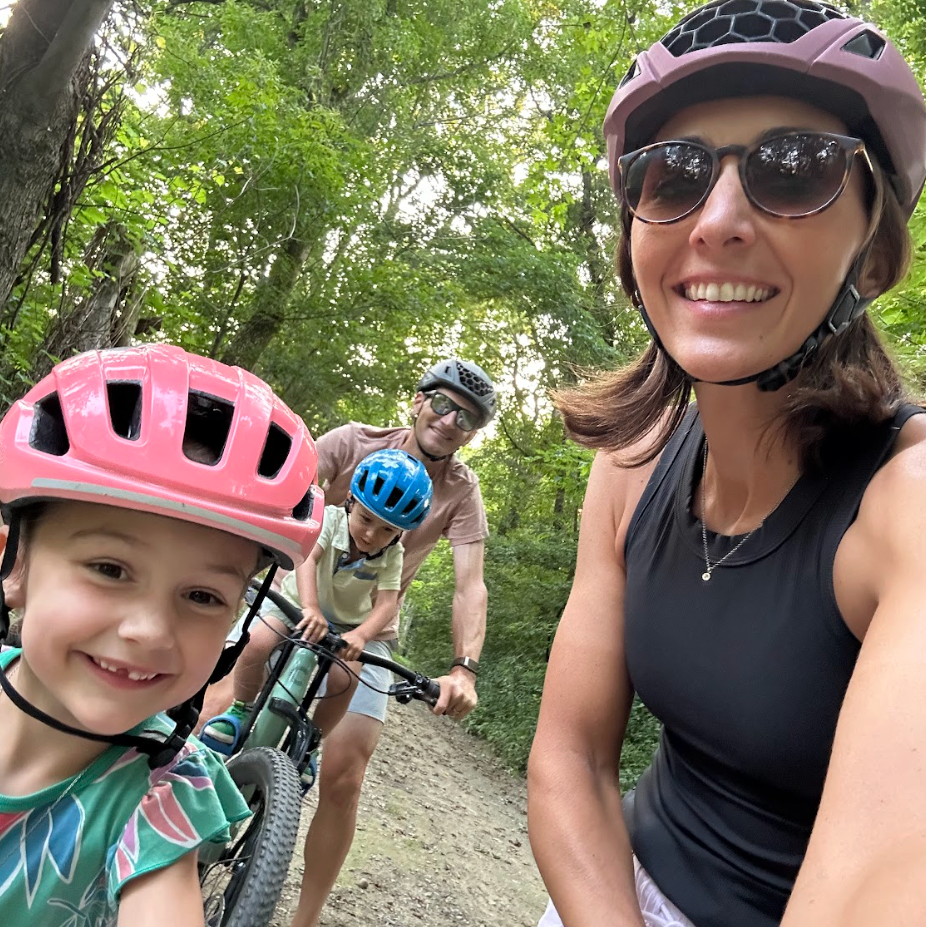

Thank you to Laura King for the above image!
Thank you to Laura King for the above image!
What struck her most was the toughness. On a fall ride, she and her friend Lindsay pedaled straight into a sudden snow squall that froze their gears. They kept going.
“This is Vermont,” Lindsay shrugged.
“Vermonters are tough as nails,” Laura said. “Being around so many like-minded athletic folks raises your threshold for discomfort. You roll with whatever the weather brings.”
Richmond’s rhythm — slower, friendlier, less car-bound — was another revelation. Electricians linger to chat. No one rushes. Traffic barely exists. And from their home, the Kings can ride directly to stellar gravel, road, or single-track trails at Sleepy Hollow without ever loading a car.
“It’s restorative,” Laura said. “We live a fast-paced life outside Vermont, but coming home to Richmond is a breath of fresh air.”
Ted, 43, a New Hampshire native and Middlebury College alum ‘05, shares Laura’s affection for the town’s training grounds. And its food. Sweet Simone’s coffee and pastries, Stone Corral tacos, and two pizza shops fuel his rides to Wednesday Night Worlds mountain bike races at the Catamount Outdoor Center.
But back to Laura. Richmond doesn’t just give her a place to train. It gives her a community that moves the way she does: wholehearted, committed, and undeterred by the weather.
What struck her most was the toughness. On a fall ride, she and her friend Lindsay pedaled straight into a sudden snow squall that froze their gears. They kept going.
“This is Vermont,” Lindsay shrugged.
“Vermonters are tough as nails,” Laura said. “Being around so many like-minded athletic folks raises your threshold for discomfort. You roll with whatever the weather brings.”
Richmond’s rhythm — slower, friendlier, less car-bound — was another revelation. Electricians linger to chat. No one rushes. Traffic barely exists. And from their home, the Kings can ride directly to stellar gravel, road, or single-track trails at Sleepy Hollow without ever loading a car.
“It’s restorative,” Laura said. “We live a fast-paced life outside Vermont, but coming home to Richmond is a breath of fresh air.”
Ted, 43, a New Hampshire native and Middlebury College alum ‘05, shares Laura’s affection for the town’s training grounds. And its food. Sweet Simone’s coffee and pastries, Stone Corral tacos, and two pizza shops fuel his rides to Wednesday Night Worlds mountain bike races at the Catamount Outdoor Center.
But back to Laura. Richmond doesn’t just give her a place to train. It gives her a community that moves the way she does: wholehearted, committed, and undeterred by the weather.
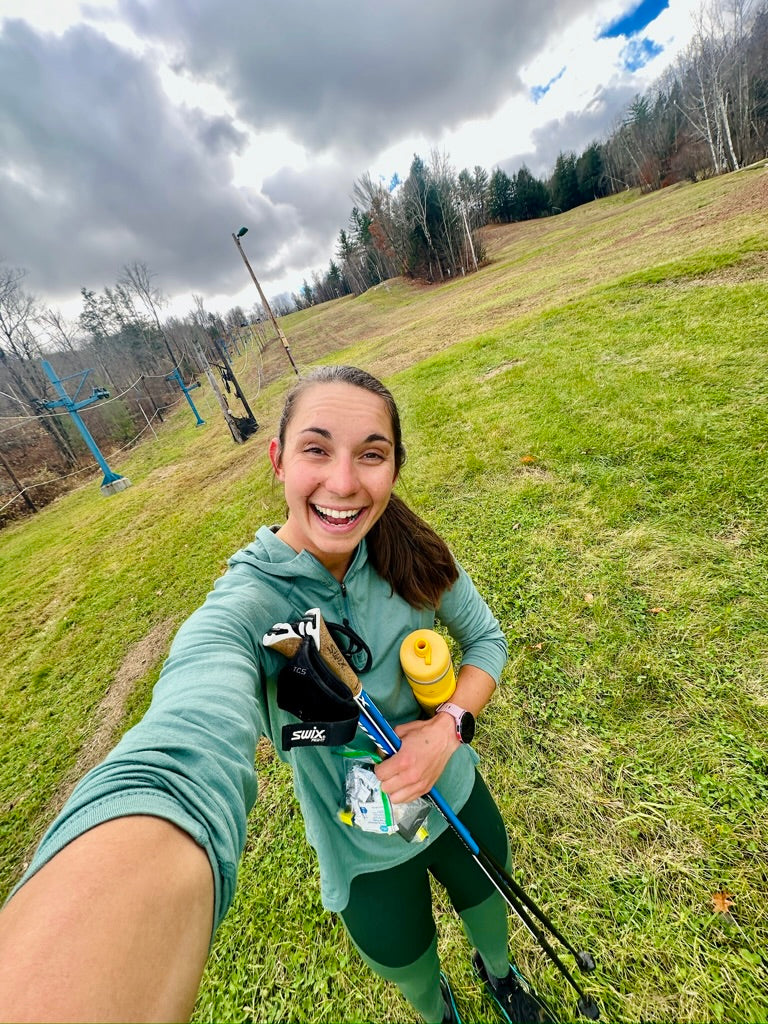
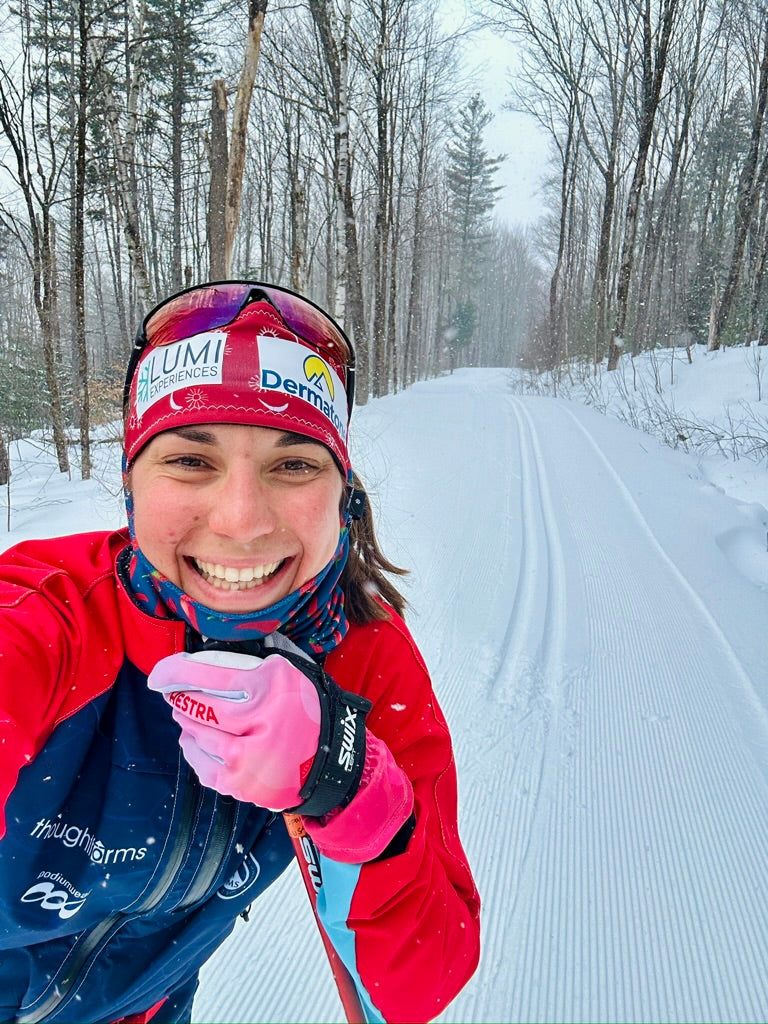
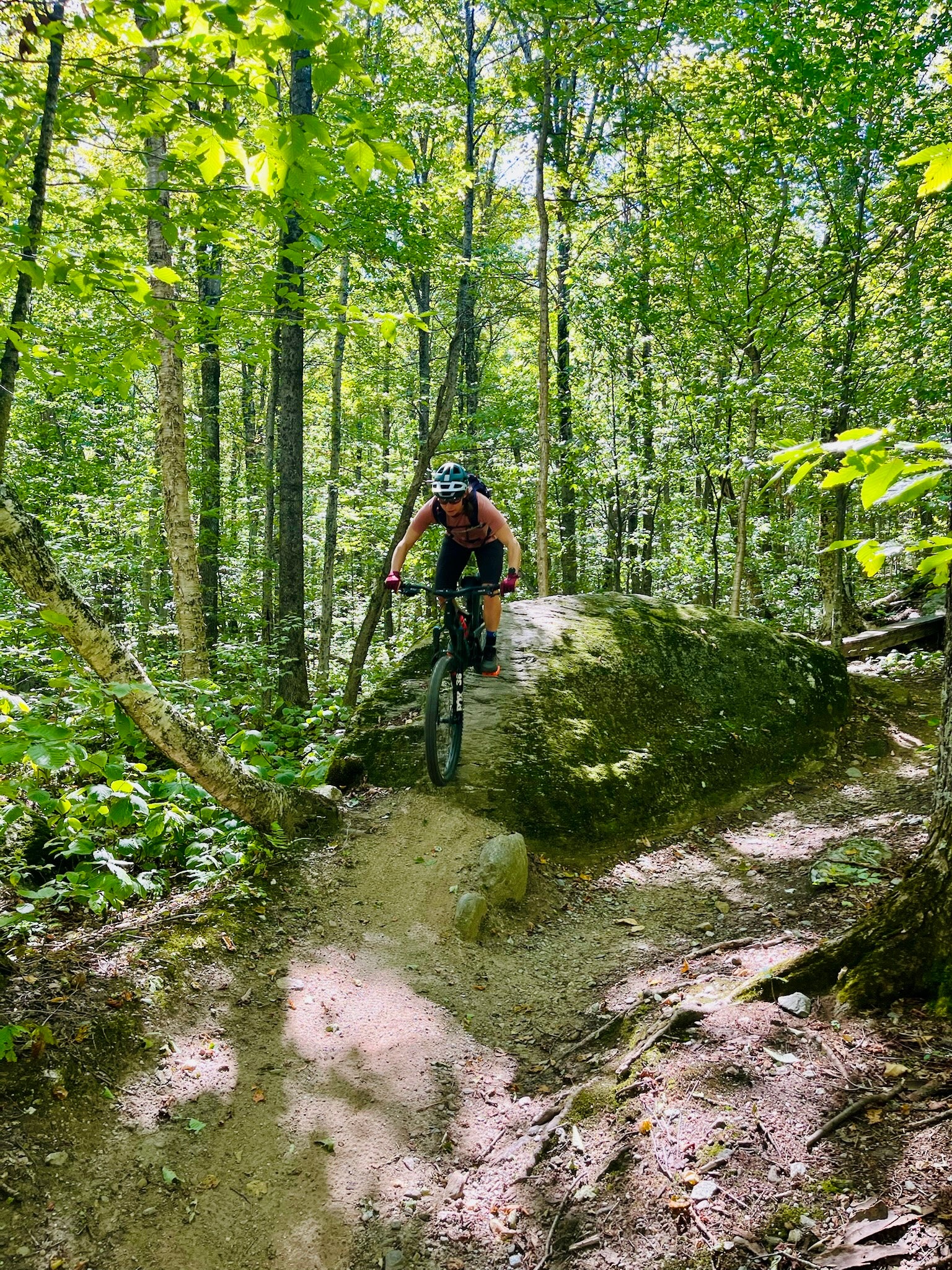
Thank you to Julia Kern for the pictures above!
Thank you to Julia Kern for the pictures above!
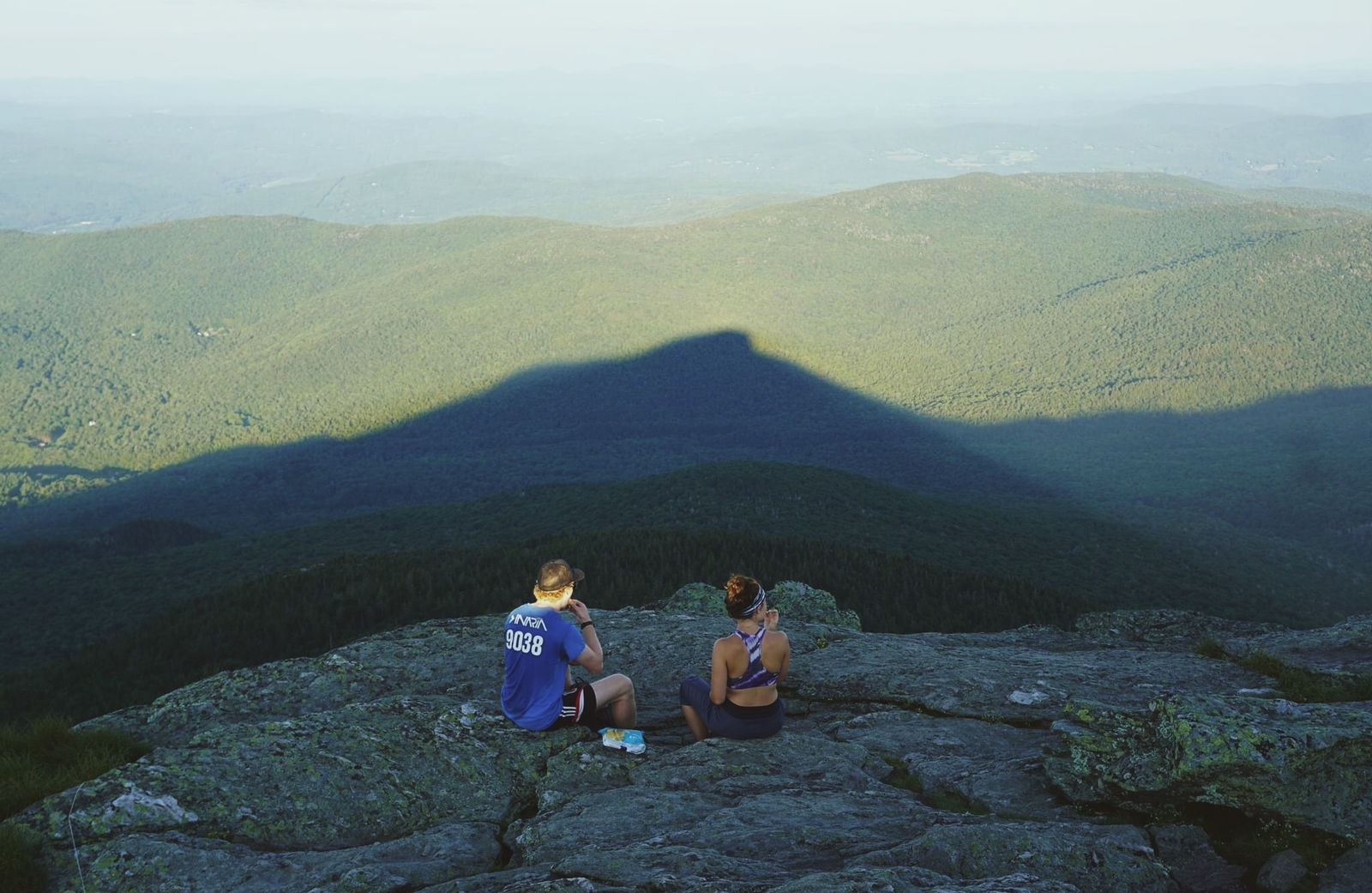
“For the first time, I have a place I can truly call home year-round,” said Julia Kern, 28, who is frequently on the cross-country skiing World Cup podium, a two-time World Championship medalist, and a member of the 2022 and 2026 U.S. Olympic teams.
Julia moved to Richmond a year and a half ago after years of living out of duffel bags: summers in Stratton, winters at her parents’ house, constant travel layered on top. Richmond offered something new — an unwavering sense of home.
She walks to get a creemee, a coffee, a book, or a bike repair. She knows the faces she passes on the street. She trains on world‑class trails in every direction. She joins the Bivo run and bike clubs, buzzing with young, active people.
“I’ve never lived anywhere with such exceptional skiing, mountain biking, or gravel biking right out my door,” she said. “Richmond offers the perfect blend of rural beauty and immediate access to incredible trails.”
For an athlete whose life is defined by movement, Richmond gives her something harder to quantify: a sense of belonging.
Not everyone in Richmond skis gates or races gravel bikes. But the town moves together.
Kids sled the hill by the Old Round Church. Families skate on free outdoor rinks. After‑school arts programs fill the town hall basement. Stone Corral hosts live music. July 4th is a town-wide blowout. Parents don’t schedule playdates; children simply find each other at the playground, the ski hill, the sledding slope.
“Whether you’re an adult or a kid,” Hannah Kinney said, “there’s always someone who wants to go outside and play with you.”
Richmond’s outdoor culture isn’t curated or performative. It’s grassroots, instinctive, built into the town’s daily rhythm. Kids grow up knowing how to layer for weather, how to climb a hill, and how to help a friend who falls. Adults carry that same ethic: a blend of toughness and caring that feels distinctly Vermont.
“For the first time, I have a place I can truly call home year-round,” said Julia Kern, 28, who is frequently on the cross-country skiing World Cup podium, a two-time World Championship medalist, and a member of the 2022 and 2026 U.S. Olympic teams.
Julia moved to Richmond a year and a half ago after years of living out of duffel bags: summers in Stratton, winters at her parents’ house, constant travel layered on top. Richmond offered something new — an unwavering sense of home.
She walks to get a creemee, a coffee, a book, or a bike repair. She knows the faces she passes on the street. She trains on world‑class trails in every direction. She joins the Bivo run and bike clubs, buzzing with young, active people.
“I’ve never lived anywhere with such exceptional skiing, mountain biking, or gravel biking right out my door,” she said. “Richmond offers the perfect blend of rural beauty and immediate access to incredible trails.”
For an athlete whose life is defined by movement, Richmond gives her something harder to quantify: a sense of belonging.
Not everyone in Richmond skis gates or races gravel bikes. But the town moves together.
Kids sled the hill by the Old Round Church. Families skate on free outdoor rinks. After‑school arts programs fill the town hall basement. Stone Corral hosts live music. July 4th is a town-wide blowout. Parents don’t schedule playdates; children simply find each other at the playground, the ski hill, the sledding slope.
“Whether you’re an adult or a kid,” Hannah Kinney said, “there’s always someone who wants to go outside and play with you.”
Richmond’s outdoor culture isn’t curated or performative. It’s grassroots, instinctive, built into the town’s daily rhythm. Kids grow up knowing how to layer for weather, how to climb a hill, and how to help a friend who falls. Adults carry that same ethic: a blend of toughness and caring that feels distinctly Vermont.
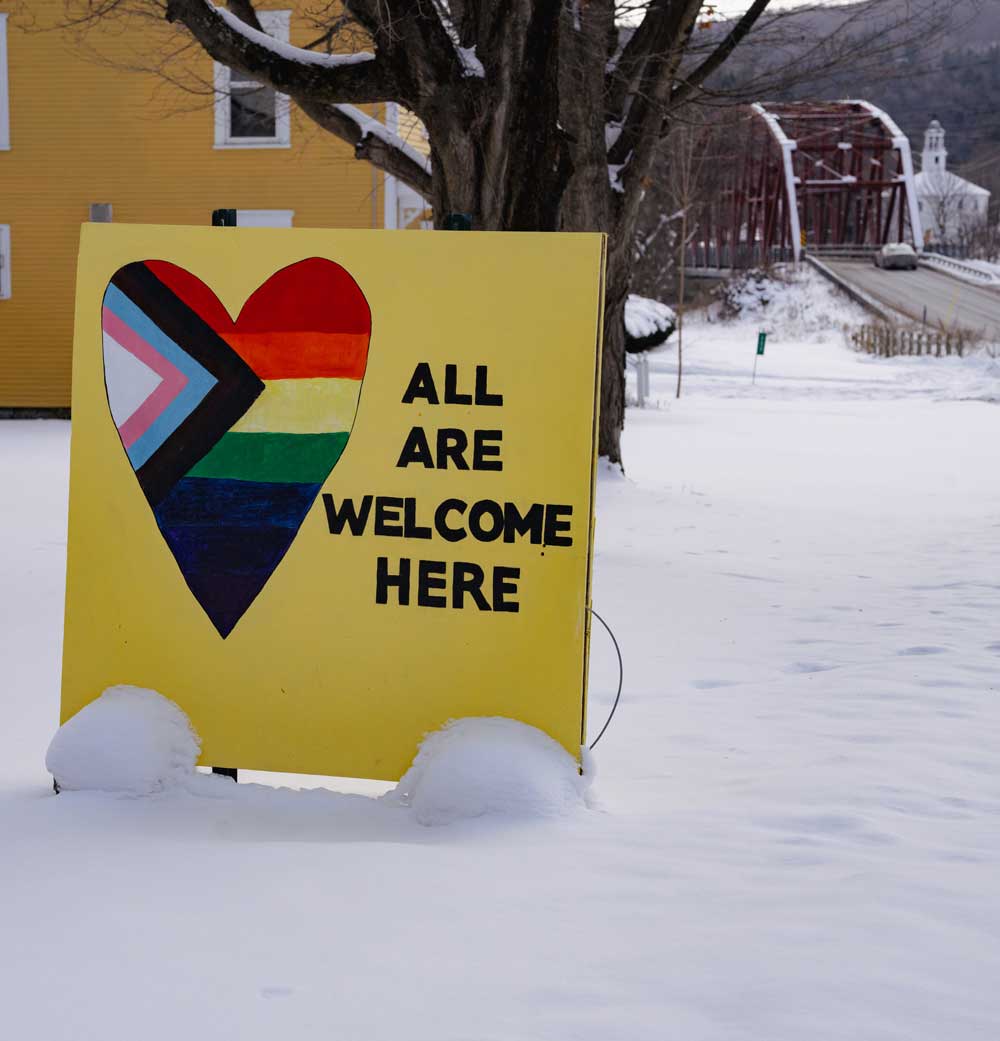

Richmond’s kindness isn’t soft. It’s a sentiment forged by weather, terrain, and shared effort; the kind that scoops up a stranger’s child on a ski hill without hesitation and whispers, “I got you.” The kind that shows up for women’s rides, for school ski programs, for neighbors who need a hand. Even if you don’t know them.
It’s a culture built on motion, grit, and giving. One that started on a small family hill and spread through a town that knows how to raise kids, athletes, and each other.
Richmond doesn’t just produce Olympians: it produces a community that shows up, pulls together, and passes lessons down the hill, one child at a time.
Richmond’s kindness isn’t soft. It’s a sentiment forged by weather, terrain, and shared effort; the kind that scoops up a stranger’s child on a ski hill without hesitation and whispers, “I got you.” The kind that shows up for women’s rides, for school ski programs, for neighbors who need a hand. Even if you don’t know them.
It’s a culture built on motion, grit, and giving. One that started on a small family hill and spread through a town that knows how to raise kids, athletes, and each other.
Richmond doesn’t just produce Olympians: it produces a community that shows up, pulls together, and passes lessons down the hill, one child at a time.
Richmond is not only a ski town, but a town full of rich history! We also want to highlight a couple of these monuments, The Round Church, and The Baker Building (home of Bivo HQ!), that add to its historic charm.
Richmond is not only a ski town, but a town full of rich history! We also want to highlight a couple of these monuments, The Round Church, and The Baker Building (home of Bivo HQ!), that add to its historic charm.
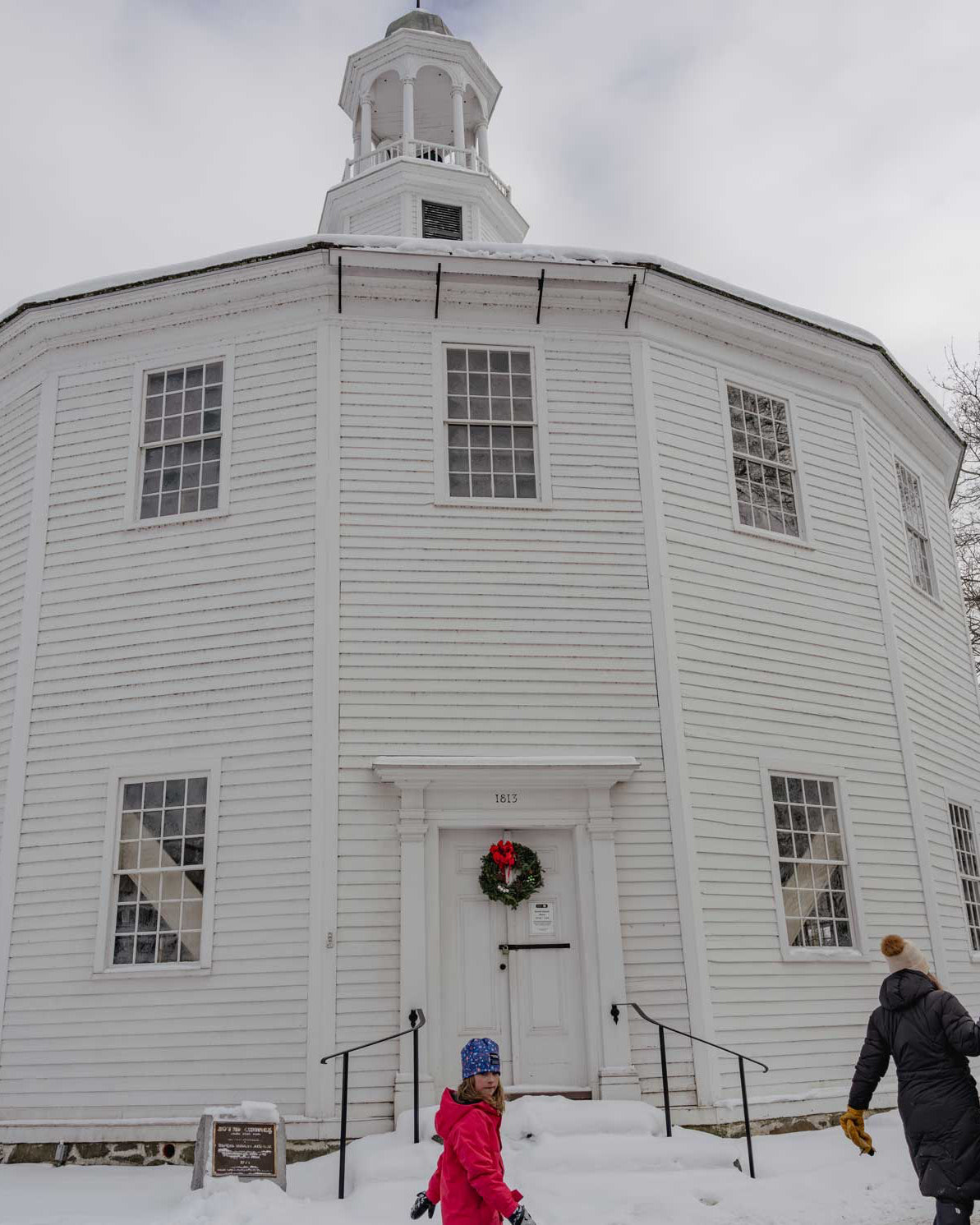

Completed in 1813, the Old Round Church, though technically not round, but 16‑sided, was crafted by William Rhodes as a shared meetinghouse for every denomination in town. Its geometry wasn’t a quirk; it was a statement about community, which remains one of the earliest and best‑preserved meetinghouses in the United States.
The building was Richmond’s civic heart, hosting sermons, debates, and town meetings for more than a century. Its distinctive architecture later earned it National Historic Landmark status, cementing its place as one of Vermont’s most recognizable structures.
Today, the Old Round Church still draws people in and around. Sledding on its front lawn. Weddings under its vaulted ceiling, musicians love its acoustics, and every holiday season, the building glows with community caroling and events. More than two centuries later, it remains a symbol of Richmond’s instinct to gather, share, and create together.
Completed in 1813, the Old Round Church, though technically not round, but 16‑sided, was crafted by William Rhodes as a shared meetinghouse for every denomination in town. Its geometry wasn’t a quirk; it was a statement about community, which remains one of the earliest and best‑preserved meetinghouses in the United States.
The building was Richmond’s civic heart, hosting sermons, debates, and town meetings for more than a century. Its distinctive architecture later earned it National Historic Landmark status, cementing its place as one of Vermont’s most recognizable structures.
Today, the Old Round Church still draws people in and around. Sledding on its front lawn. Weddings under its vaulted ceiling, musicians love its acoustics, and every holiday season, the building glows with community caroling and events. More than two centuries later, it remains a symbol of Richmond’s instinct to gather, share, and create together.
Before Richmond became a playground for athletes, it took a gamble on underwear. Literally.
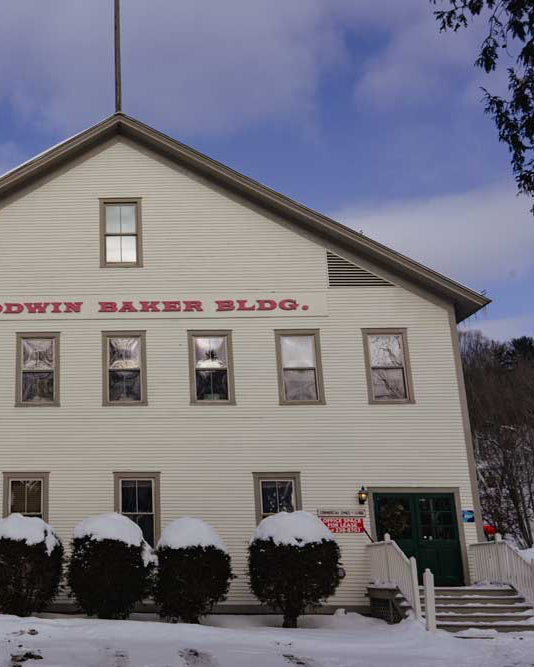
In 1900, townspeople raised thousands of dollars to convince two New Yorkers — J.S. Baker and I.H. Goodwin — to build a women’s and children’s underwear factory on an old apple orchard. Seven weeks later, a 150‑foot mill towered over West Main Street, instantly becoming Richmond’s biggest employer. By 1904, 160 workers, mostly women, stitched garments in what were considered state‑of‑the‑art, clean, and safe conditions.
The company didn’t stop at jobs. It built worker housing, a 40‑person boarding house, and even a tennis court behind the factory. Production continued until 1946, when the building shifted to rug‑backing manufacturing. Today, the historic structure has reinvented itself, housing several businesses, including Bivo’s headquarters, and standing as a reminder that Richmond has deep roots and knows how to rally around a shared vision.
Before Richmond became a playground for athletes, it took a gamble on underwear. Literally.
In 1900, townspeople raised thousands of dollars to convince two New Yorkers — J.S. Baker and I.H. Goodwin — to build a women’s and children’s underwear factory on an old apple orchard. Seven weeks later, a 150‑foot mill towered over West Main Street, instantly becoming Richmond’s biggest employer. By 1904, 160 workers, mostly women, stitched garments in what were considered state‑of‑the‑art, clean, and safe conditions.
The company didn’t stop at jobs. It built worker housing, a 40‑person boarding house, and even a tennis court behind the factory. Production continued until 1946, when the building shifted to rug‑backing manufacturing. Today, the historic structure has reinvented itself, housing several businesses, including Bivo’s headquarters, and standing as a reminder that Richmond has deep roots and knows how to rally around a shared vision.


John Scolaro
February 19, 2026
Richmond reminds me of my hometown , Auburn, in the Finger Lakes of New York State. Although a much larger town than Richmond, growing up the feeling of community and athletic opportunities surrounded everyone and this remains today.





Tammy Ringer
February 19, 2026
Really great article on the history surrounding your wonderful town.