










Quench'd: Weekly stories for cyclists
May 30th, 2026 | by Rebecca Rusch
Rebecca Rusch has been a high level performance athlete for decades, from rock climber to mountain biker, she succeeds when she puts her mind to it. These days she is a performance athlete and mindset expert, motivational speaker, podcast host, organizer of the amazing gravel ride in Ketchum, ID, Rebecca's Private Idaho, and founder of the Be Good Foundation.
We all usually feel better after a ride or just moving our bodies. On Quench'd today, Rebecca explains how movement and mental health are completely intertwined, and she shares that the key to hear own healing after a concussion was intentional sport and community.
In honor of bike month AND mental health awareness month, give this piece a read. It's a beautiful one, and it's a reminder that we're not alone in our own struggles and community is extremely valuable.
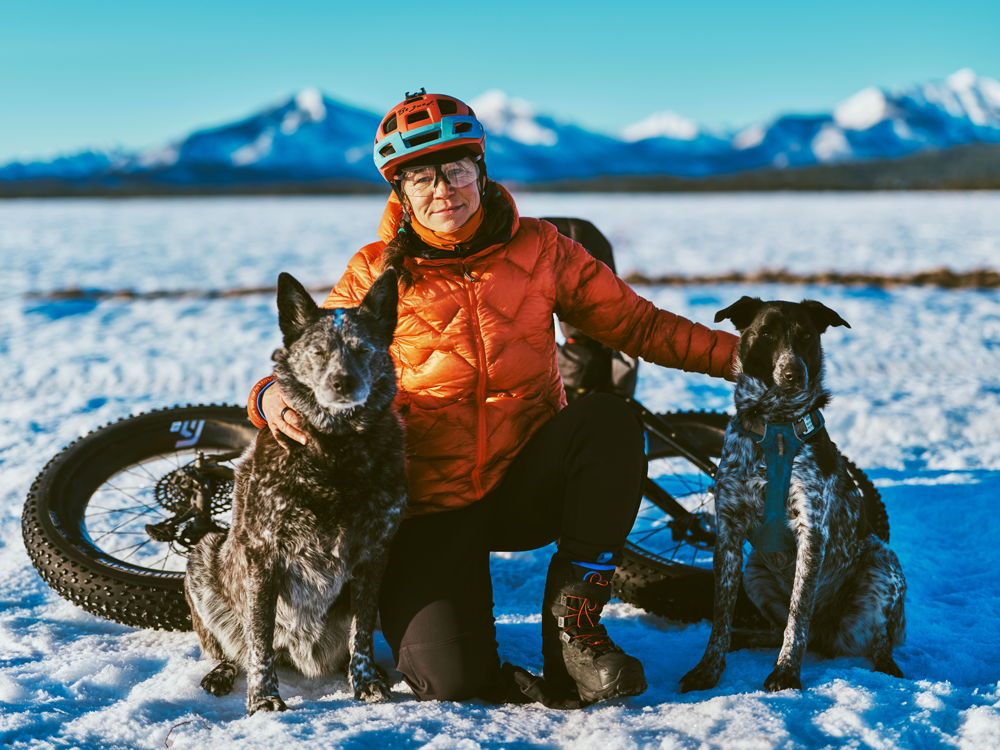
When I think about mental wellness, I don’t picture a quiet room or a meditation cushion. I see a dirt trail, a bike, and the open sky. The outdoors has always been my most reliable setting for growth and grounding. I call this “dirt dharma” because outside on the trail is where my path and purpose are most clear. When my wheels or feet are on the dirt, my mind and body meld as a team. For all humans, our physiology and psychology are linked. When the body moves, the mind is free. Does this sound familiar?
Four years ago, I lost the trail after a concussion and found myself floundering in the dark. As the symptoms from this invisible injury lingered on and my life got more sedentary and isolated, my injury expanded from a physical crisis to a mental health crisis. I struggled through depression, isolation, and a long stretch where I didn’t recognize myself. Still, I kept thinking I could push through. The strategies that helped me break records, win medals, and endure long miles on the trail didn’t work with this unique challenge. I was in the unfamiliar and vulnerable place of needing to ask for help.
Rebecca Rusch has been a high level performance athlete for decades, from rock climber to mountain biker, she succeeds when she puts her mind to it. These days she is a performance athlete and mindset expert, motivational speaker, podcast host, organizer of the amazing gravel ride in Ketchum, ID, Rebecca's Private Idaho, and founder of the Be Good Foundation.
We all usually feel better after a ride or just moving our bodies. On Quench'd today, Rebecca explains how movement and mental health are completely intertwined, and she shares that the key to hear own healing after a concussion was intentional sport and community.
In honor of bike month AND mental health awareness month, give this piece a read. It's a beautiful one, and it's a reminder that we're not alone in our own struggles and community is extremely valuable.
When I think about mental wellness, I don’t picture a quiet room or a meditation cushion. I see a dirt trail, a bike, and the open sky. The outdoors has always been my most reliable setting for growth and grounding. I call this “dirt dharma” because outside on the trail is where my path and purpose are most clear. When my wheels or feet are on the dirt, my mind and body meld as a team. For all humans, our physiology and psychology are linked. When the body moves, the mind is free. Does this sound familiar?
Four years ago, I lost the trail after a concussion and found myself floundering in the dark. As the symptoms from this invisible injury lingered on and my life got more sedentary and isolated, my injury expanded from a physical crisis to a mental health crisis. I struggled through depression, isolation, and a long stretch where I didn’t recognize myself. Still, I kept thinking I could push through. The strategies that helped me break records, win medals, and endure long miles on the trail didn’t work with this unique challenge. I was in the unfamiliar and vulnerable place of needing to ask for help.
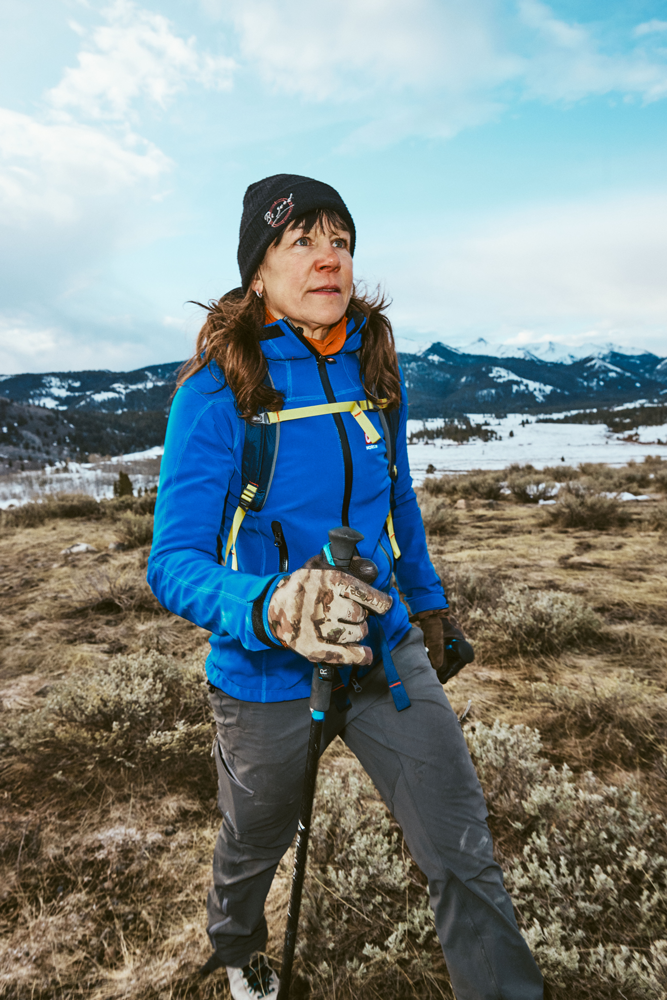
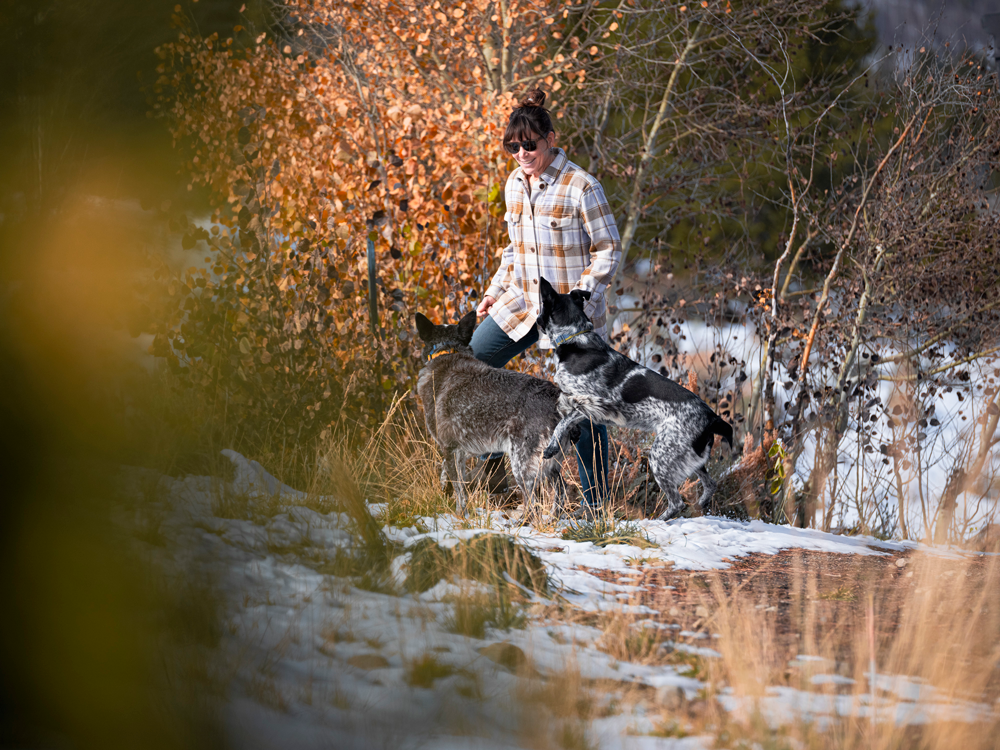
Help flowed the moment I shed my super hero persona and simply asked. Support came from close friends, family, business colleagues, and total strangers. The oppressive weight lifted when I realized healing didn’t have to be a solo journey. This human connection became my lifeline and the most important factor in my physical and mental health recovery.
Just as there wasn’t a single therapy that helped heal my concussion symptoms, there wasn’t one “fix” for my mental health issues either. I leaned on many tools but the two most critical and impactful therapies were exercise and community.
I can see now that my concussion forced me off the bike and away from my friends. A very slippery downward slope physically and emotionally. Reversing that spiral was simple, but not easy.
Help flowed the moment I shed my super hero persona and simply asked. Support came from close friends, family, business colleagues, and total strangers. The oppressive weight lifted when I realized healing didn’t have to be a solo journey. This human connection became my lifeline and the most important factor in my physical and mental health recovery.
Just as there wasn’t a single therapy that helped heal my concussion symptoms, there wasn’t one “fix” for my mental health issues either. I leaned on many tools but the two most critical and impactful therapies were exercise and community.
I can see now that my concussion forced me off the bike and away from my friends. A very slippery downward slope physically and emotionally. Reversing that spiral was simple, but not easy.
As a lifelong athlete, I never thought I’d stumble off that dirt path, but in hindsight I’m glad I did. Because losing something essential is powerful motivation to hold onto it.
May is both bike month and mental health month and this pairing feels serendipitous. My work and life have moved beyond the relentless pursuit of outdoor competition and into the relentless passion to maintain the architecture of a life built around movement outdoors. I never want to lose the trail again. The trail is a lifeline linking our psychology and physiology.
The sad but honest truth is that humans are experiencing a mental and physical health crisis. The good news is that the cure for both is exercise. Prescribing ourselves daily physical activity is the easiest and most reliable way to heal and stay healthy. If you combine movement with nature and other people, then you have the golden ticket for mental, physical, emotional, and spiritual health right in your hand. Dirt Dharma!
Over my competition years, I always thought I was training for races, but in hindsight, I can now see that I was training my mind and body for the durability and resilience required for life. When I lost track of that training, I lost a lot more than fitness.
As a lifelong athlete, I never thought I’d stumble off that dirt path, but in hindsight I’m glad I did. Because losing something essential is powerful motivation to hold onto it.
May is both bike month and mental health month and this pairing feels serendipitous. My work and life have moved beyond the relentless pursuit of outdoor competition and into the relentless passion to maintain the architecture of a life built around movement outdoors. I never want to lose the trail again. The trail is a lifeline linking our psychology and physiology.
The sad but honest truth is that humans are experiencing a mental and physical health crisis. The good news is that the cure for both is exercise. Prescribing ourselves daily physical activity is the easiest and most reliable way to heal and stay healthy. If you combine movement with nature and other people, then you have the golden ticket for mental, physical, emotional, and spiritual health right in your hand. Dirt Dharma!
Over my competition years, I always thought I was training for races, but in hindsight, I can now see that I was training my mind and body for the durability and resilience required for life. When I lost track of that training, I lost a lot more than fitness.
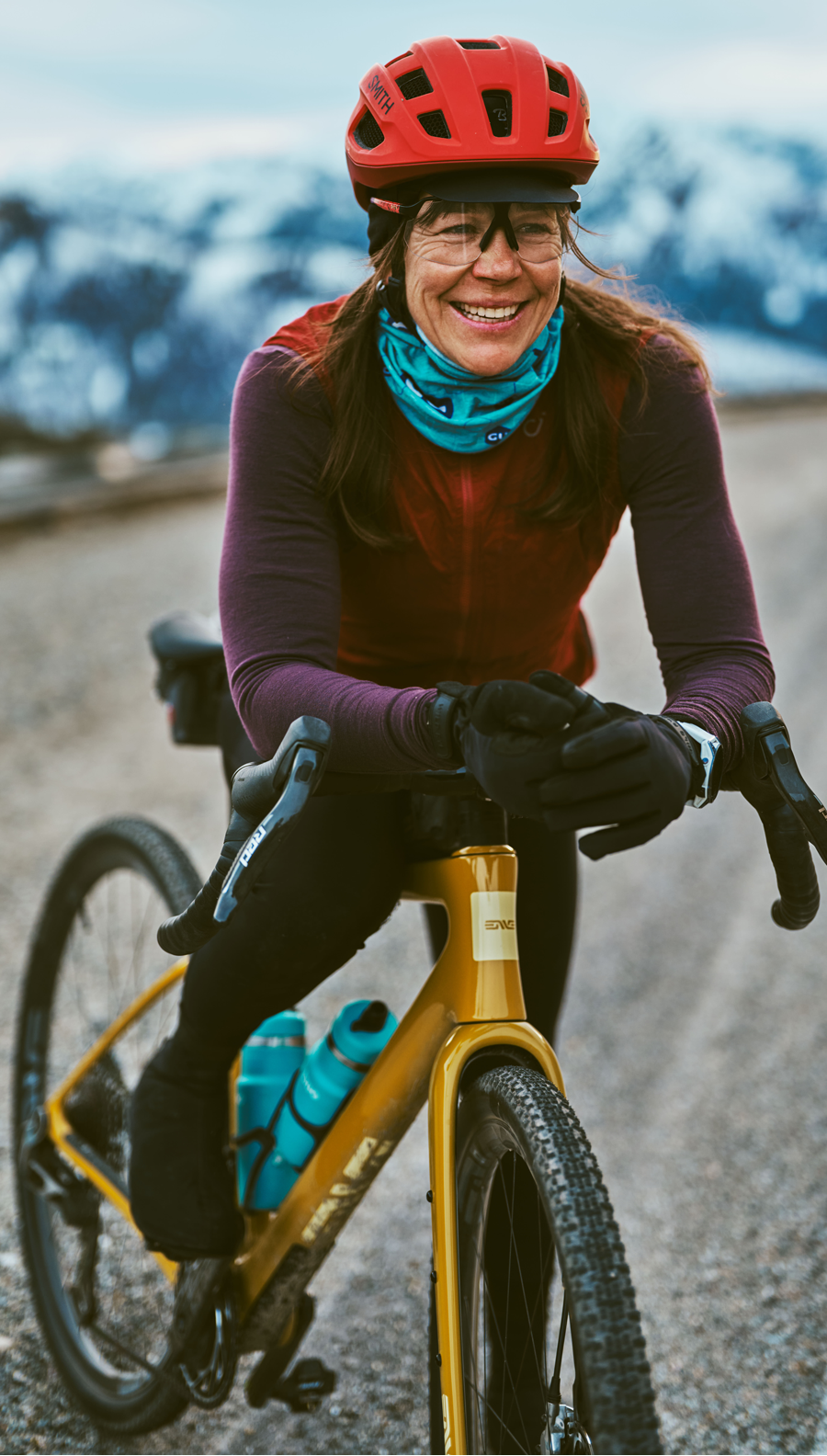

So my question to you: how’s your training going? Can you view training on the bike as your essential health and wellness plan? Because it is! So let’s build some strategy into your training plan. As a lifelong athlete and an expert in athlete performance and mindset, I know that setting a future and specific goal is one of the best strategies to inform our daily lifestyle decisions. If you have a race on the calendar, then it’s easier each day to put in the work towards the goal. Small, daily habits add up and help us become the kind of person we envision achieving that goal. Events are perfect goals because they have a specific timeline, a commitment is required to sign up, and you know other people will be there. I’ll suggest Rebecca’s Private Idaho and extend the invitation because I can guarantee the courses are beautiful and challenging and the community is festive and supportive! I’d love to ride with you there.
So my question to you: how’s your training going? Can you view training on the bike as your essential health and wellness plan? Because it is! So let’s build some strategy into your training plan. As a lifelong athlete and an expert in athlete performance and mindset, I know that setting a future and specific goal is one of the best strategies to inform our daily lifestyle decisions. If you have a race on the calendar, then it’s easier each day to put in the work towards the goal. Small, daily habits add up and help us become the kind of person we envision achieving that goal. Events are perfect goals because they have a specific timeline, a commitment is required to sign up, and you know other people will be there. I’ll suggest Rebecca’s Private Idaho and extend the invitation because I can guarantee the courses are beautiful and challenging and the community is festive and supportive! I’d love to ride with you there.
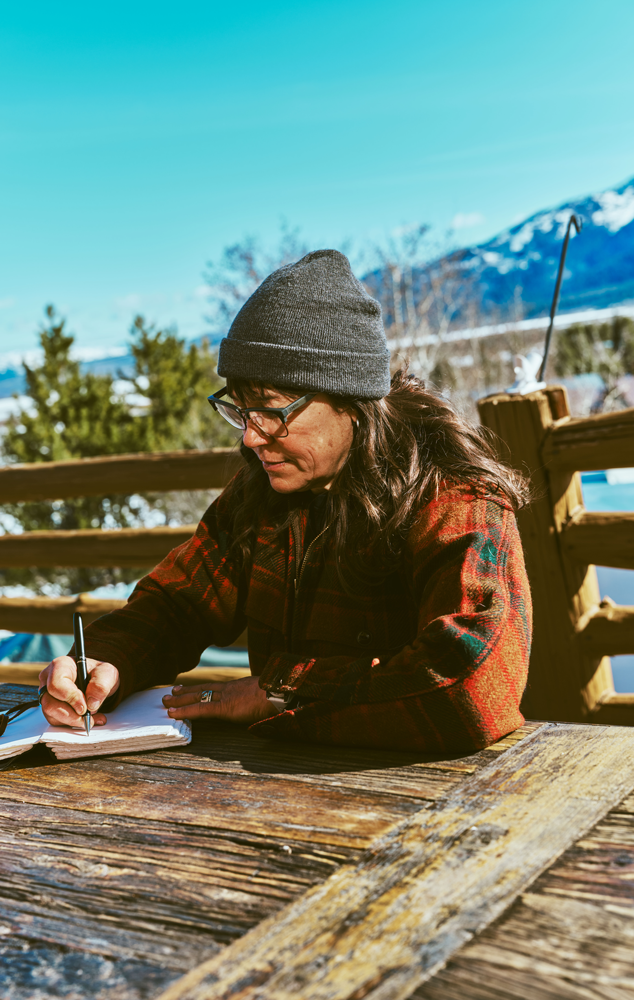

No matter what future goal you are working towards, here are some daily tools to put mindfulness into your movement and connect your physiology and your psychology.
No matter what future goal you are working towards, here are some daily tools to put mindfulness into your movement and connect your physiology and your psychology.
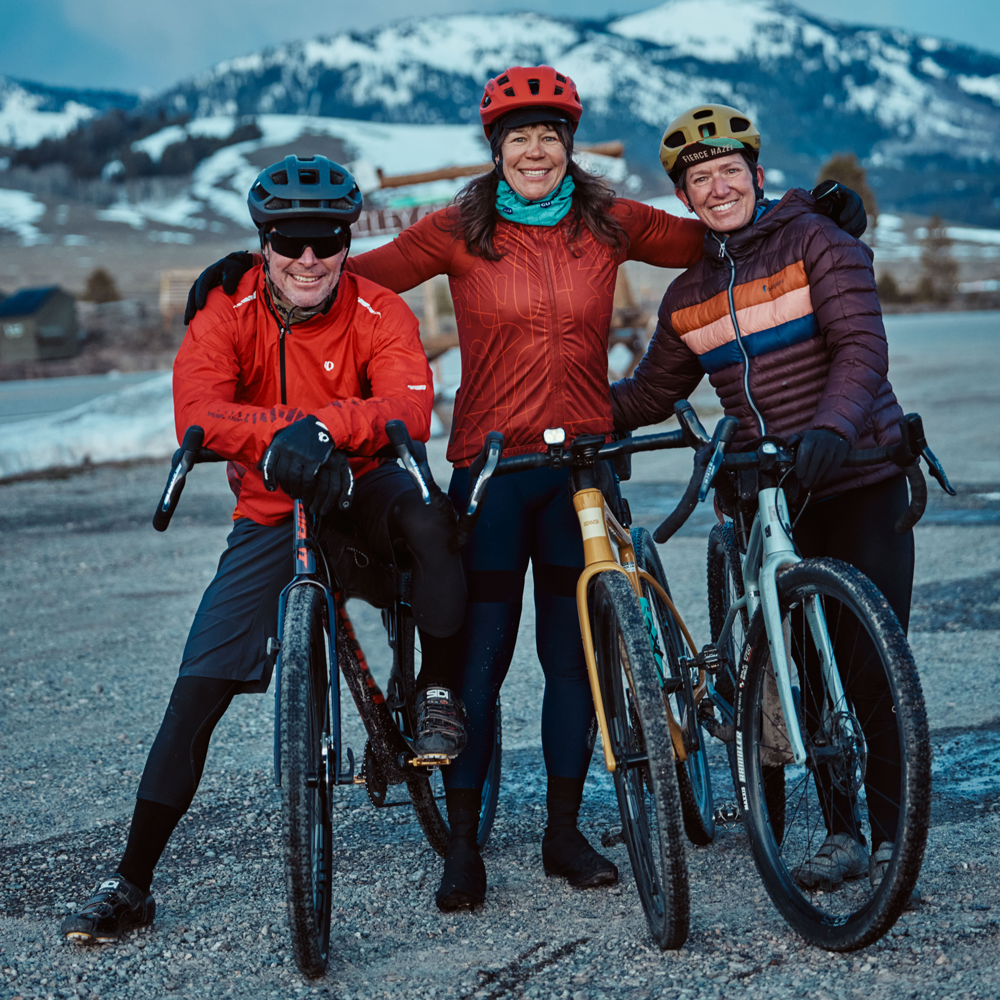
We all lose the trail sometimes. But it’s always there and so are the people who’ll ride it with you. Finding the trail and your dirt dharma again just takes a little navigational skill and the daily choice to show up for yourself and each other. Isn’t it great to know we’re all part of this big, beautiful bike team? I’ll see you on the trail.
We all lose the trail sometimes. But it’s always there and so are the people who’ll ride it with you. Finding the trail and your dirt dharma again just takes a little navigational skill and the daily choice to show up for yourself and each other. Isn’t it great to know we’re all part of this big, beautiful bike team? I’ll see you on the trail.





Leave a comment (all fields required)